Quantum Computing Advances: A Closer Look
Recent headlines claiming Chinese scientists have cracked “military-grade encryption” using quantum computers have sparked concern about cybersecurity’s future. However, a deeper examination reveals these reports significantly overstate the actual achievements. While Chinese researchers have made incremental progress in quantum computing, their work does not pose an immediate threat to current encryption methods.
Key Points:
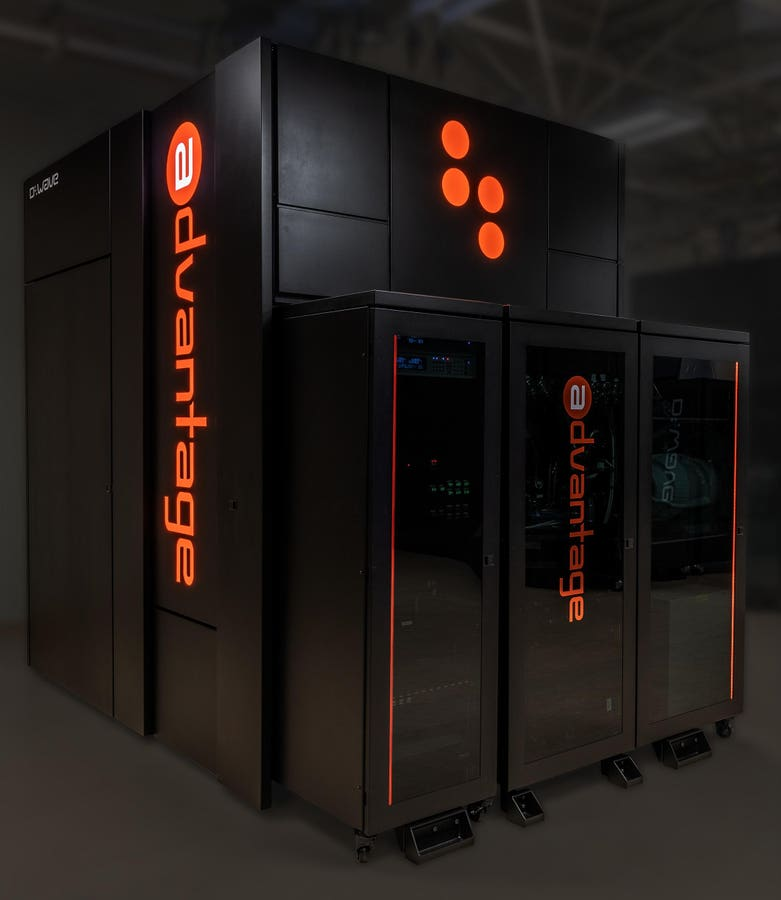
- Chinese researchers factored a 50-bit number using a hybrid quantum-classical approach
- This achievement, while impressive, is far from breaking military-grade encryption
- RSA encryption commonly uses key sizes of 2048 bits or higher
- The gap between factoring 50-bit and 2048-bit integers remains astronomically large
Implications for Cybersecurity
Experts emphasize that there’s no cause for alarm regarding current encryption standards. The recent advancements represent small steps rather than a paradigm shift that renders existing cryptographic systems obsolete. Enterprises are advised to follow NIST guidance as new encryption standards are developed and implemented. The field of post-quantum cryptography continues to evolve, focusing on algorithms designed to withstand both classical and quantum attacks.
While the progress made by Chinese researchers is noteworthy and contributes to the field of quantum computing and cryptography, it’s crucial to approach claims of breakthroughs critically. The challenges of scaling these methods to practical key sizes remain significant, and the security of RSA encryption as used in real-world applications is not currently threatened. As quantum computing technology advances, staying informed about genuine progress without succumbing to sensationalism will be key to navigating the quantum future responsibly.