Understanding the Impact of AI
The discussion centers around Daniela Rus’s insights from her book, focusing on the ethical implications and stewardship of artificial intelligence (AI). Rus emphasizes the need for robust frameworks to ensure AI serves humanity and the planet. She highlights the importance of understanding AI’s capabilities and limitations, especially as its influence grows in society. With new technologies emerging, the challenge lies in discerning reality from artificial constructs, which could lead to significant societal impacts.
Key Points to Consider
- Ethical design and regulation of AI are essential for its beneficial use.
- AI can produce harmful content rapidly, raising concerns about digital trust and security.
- Collaboration is crucial; diverse perspectives must shape AI policy and development.
- The environmental impact of training large AI models is significant, necessitating sustainable practices.
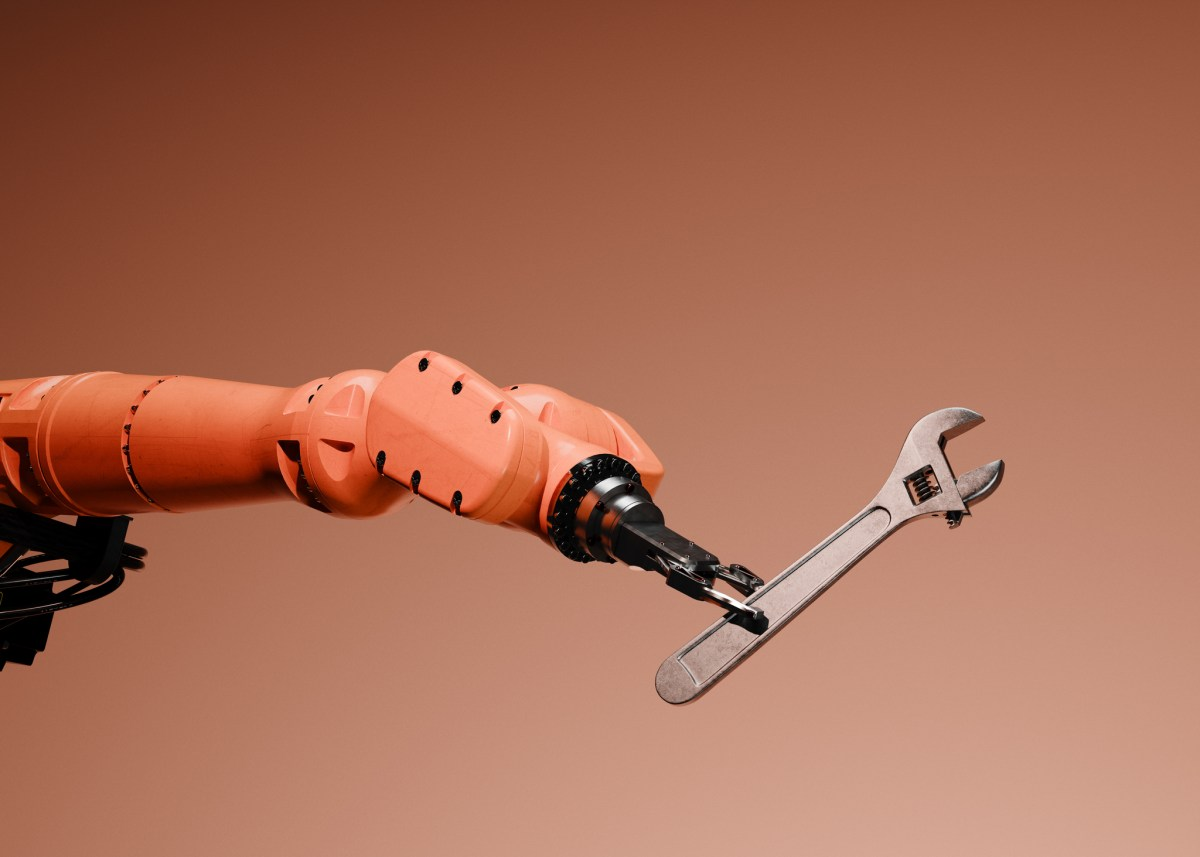
- Understanding the nuances of automation is vital to address job displacement and operational costs.
The Bigger Picture
As AI continues to evolve, its integration into various sectors poses both opportunities and risks. A comprehensive understanding of AI’s capabilities is necessary for leaders and policymakers to navigate its complexities effectively. The interplay between human creativity and AI’s logical processes highlights the unique qualities of human thought. By fostering a collaborative approach, society can harness AI’s potential while safeguarding ethical standards and human values. The future of AI is not just about technology; it is about enhancing our understanding of what it means to be human in an increasingly automated world.