Overview of AI in Agriculture
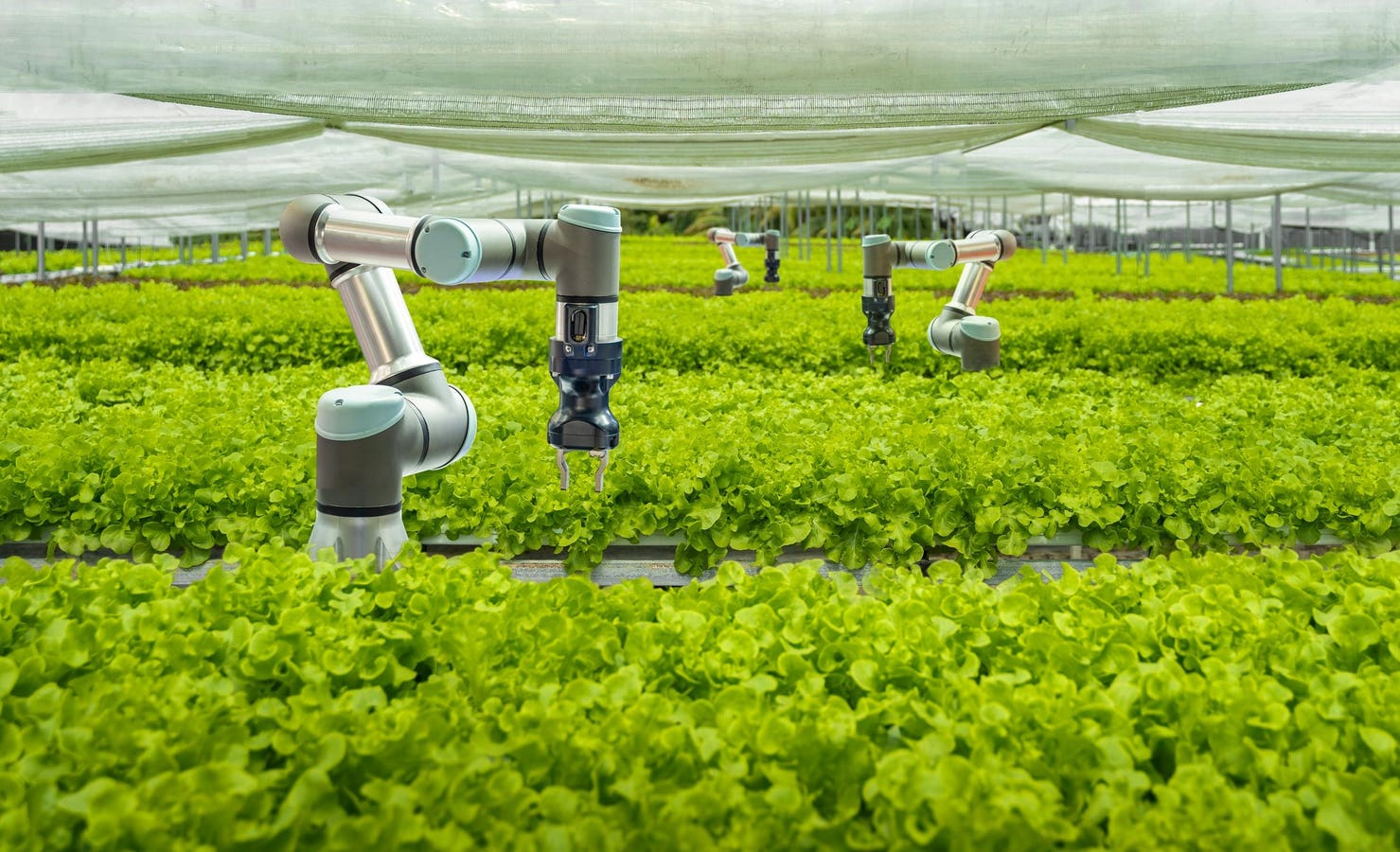
Agriculture is evolving with technology, particularly through AI integration. This shift is crucial as global food demand rises, and arable land decreases. AI enhances various farming processes, from improving crop yields to streamlining supply chains. The focus is on precision farming, where AI helps monitor plant health, optimize resources, and automate tasks.
Key Innovations and Benefits
- Precision farming utilizes AI to detect plant diseases and pests, improving efficiency.
- Autonomous systems like drones provide real-time data on farm conditions, aiding decision-making.
- AI analyzes vast amounts of farm data, guiding farmers on irrigation, planting, and harvesting.
- Seasonal forecasting models enhance weather predictions, allowing farmers to prepare for challenges.
- Autonomous machinery, including self-driving tractors, reduces labor needs and increases productivity.
Significance of AI in Farming
The integration of AI in agriculture is not just a technological upgrade; it represents a fundamental shift in how food is produced. It addresses labor shortages and resource inefficiencies while ensuring a sustainable food supply. As AI becomes more accessible, it promises to revolutionize farming practices, making them more efficient and resilient. This evolution is vital for meeting the growing global food demand and supporting farmers worldwide.