Transforming Education with AI
Education is currently undergoing a significant transformation driven by advancements in generative AI technologies. As platforms like ChatGPT and others become integral to learning, universities are projected to invest heavily in AI-enhanced curricula. This shift raises important questions about how to effectively integrate AI into teaching while maintaining the essential human elements of education. Experts predict that AI could significantly improve graduation rates, indicating its potential to reshape educational outcomes.
Key Insights
- Universities are expected to invest around $20 million in AI-driven curricula by 2025.
- AI tools can enhance learning by generating insights, providing feedback, and fostering creativity.
- Educators must focus on redefining teaching methods to incorporate AI while preserving critical human skills.
- Ethical considerations around AI use in education, including bias and privacy, are crucial for responsible implementation.
The Bigger Picture
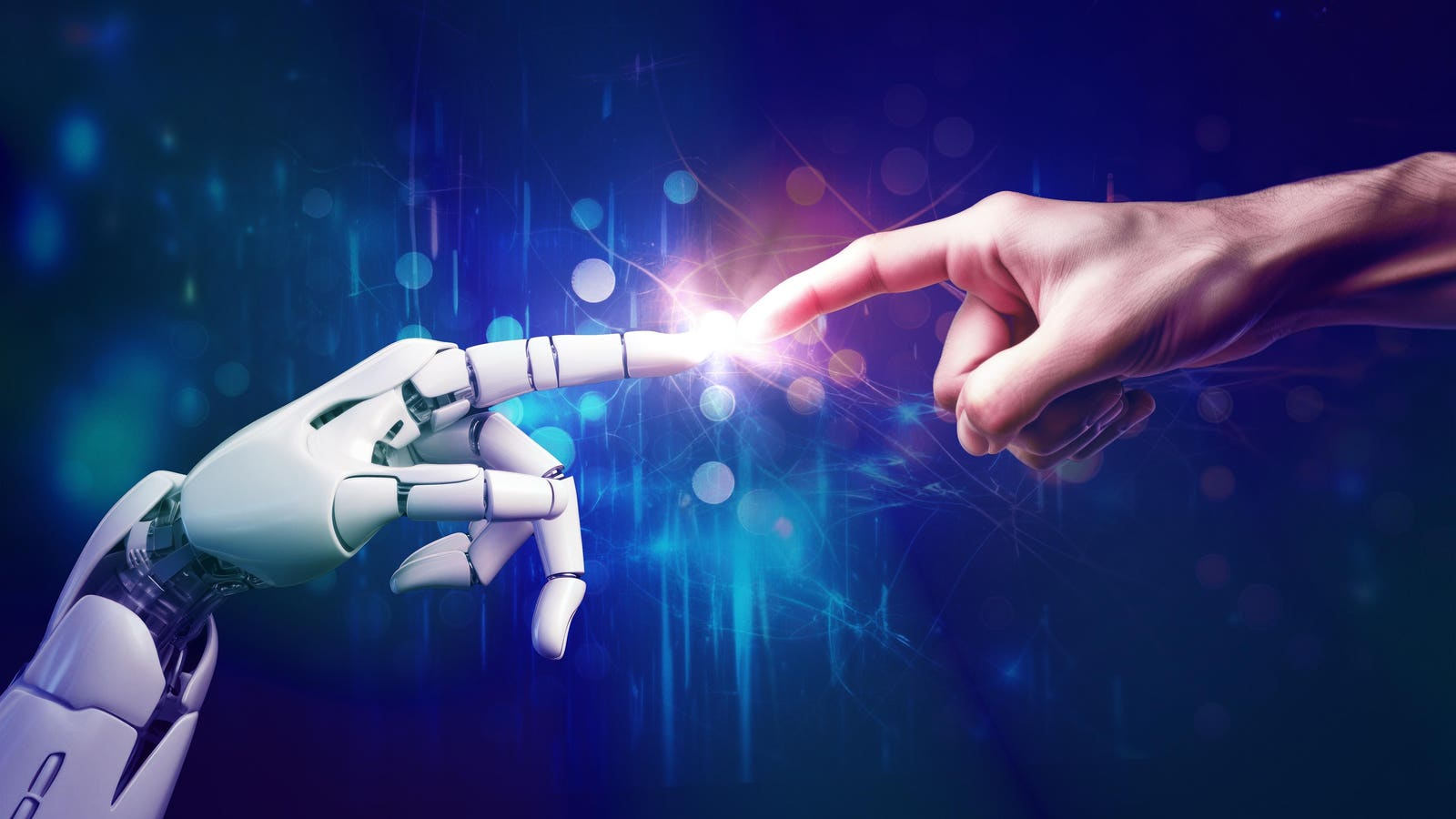
The integration of AI into education is not just about technology; it’s about fostering a new generation of learners who can thrive in an AI-driven world. By cultivating critical thinking, ethical reasoning, and creativity, educators can empower students to use AI as a tool for innovation rather than a crutch. This partnership between humans and AI holds the key to transforming education and preparing students for future challenges, ultimately leading to a more equitable and effective learning environment.