
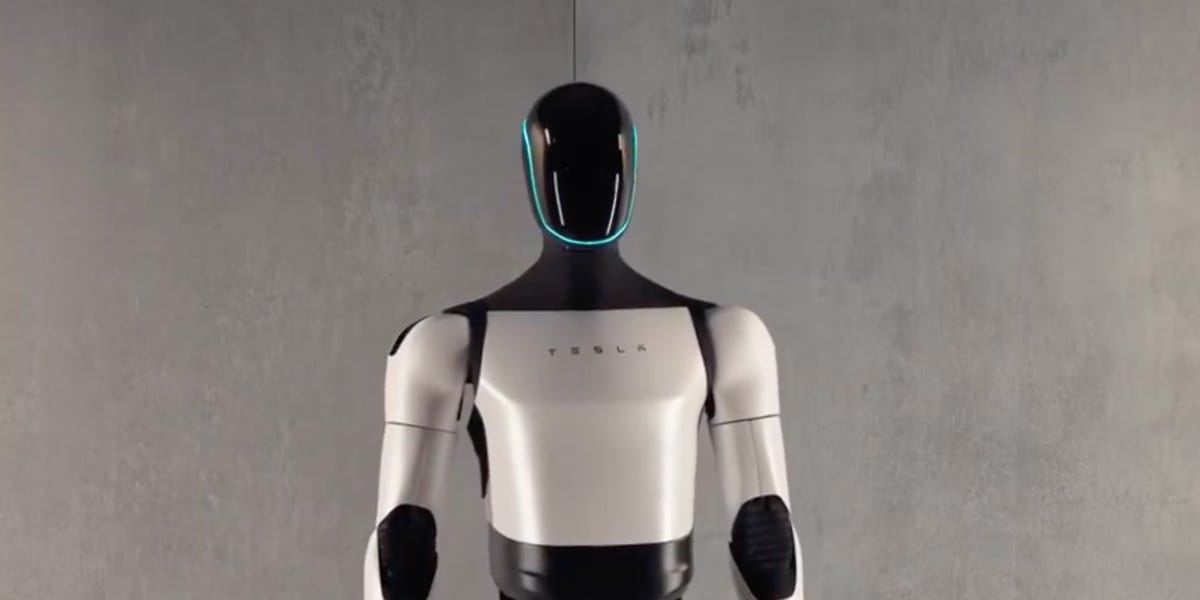
What’s Happening
Tesla’s Optimus robots faced criticism after a recent event revealed that they were remotely controlled by engineers. While the robots showcased impressive skills like dancing and serving drinks, the reliance on human operators led to claims of dishonesty and skepticism about their capabilities. However, Nvidia’s Rev Lebaredian defended the technology, emphasizing the sophisticated AI needed for remote operation.
Key Insights
- The humanoid robots were operated by humans, raising doubts among analysts and investors.
- Nvidia’s executive highlighted the advanced AI required for teleoperation, suggesting it’s a significant achievement.
- Tesla is investing heavily in humanoid robots, with plans for production and external sales by 2026.
- The humanoid design may facilitate easier data collection and broader adoption in various environments.
Why It Matters
The skepticism surrounding Tesla’s Optimus robots reflects a broader concern about transparency in tech demonstrations. Yet, Nvidia’s support underscores the potential of AI in robotics. As companies like Tesla and Nvidia push the boundaries of what robots can do, the future of automation looks promising. Successful development of autonomous robots could revolutionize industries, making tasks easier and more efficient. The conversation around Optimus highlights the need for continued innovation and public understanding of emerging technologies.





