Understanding the Evolution of Automation
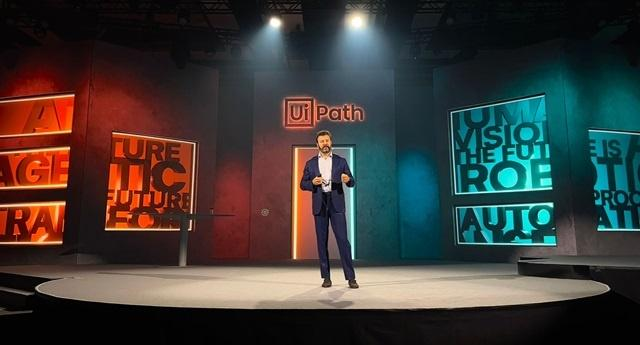
Automation technology has significantly advanced, transitioning from basic robotic process automation to more complex and integrated systems. Daniel Dines, CEO and founder of UiPath, views this shift as a progression from Act I to Act II of automation. Initially, automation focused on structured tasks with clear rules. However, as workflows became more complex, the need arose for handling unstructured elements. This evolution is crucial for businesses aiming to improve efficiency and adapt to changing environments. UiPath is leading this change with its new tools and AI agents designed to automate more complex processes.
Key Points on UiPath’s Innovations
- UiPath Agent Builder allows developers to create AI agents tailored to specific business needs, enhancing automation capabilities.
- The combination of robots and AI agents improves efficiency by managing both repetitive tasks and complex decision-making processes.
- Agentic orchestration integrates various roles—robots, humans, and AI—ensuring smooth operations and compliance within workflows.
- UiPath’s platform is designed to work with various enterprise applications, making it versatile and adaptable for different business environments.
The Significance of This Shift
The advancements in automation and AI have the potential to revolutionize business operations. By allowing organizations to automate a wider range of tasks, they can focus on higher-value work and drive growth. As automation becomes more embedded in enterprise workflows, companies will be better equipped to handle the complexities of modern business environments. This transformation not only enhances productivity but also fosters innovation, ultimately leading to a more agile and competitive landscape.