Understanding the Threat
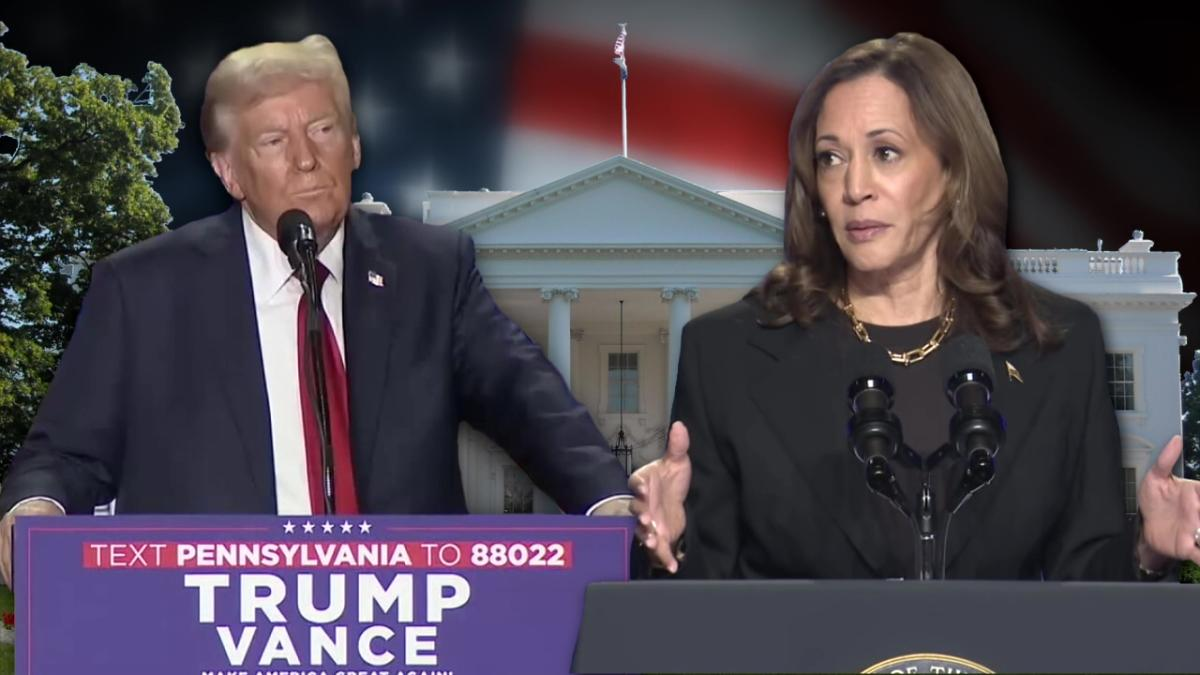
Artificial intelligence is increasingly being weaponized by hostile nations to manipulate voters and disrupt elections. The FBI has raised alarms about the use of AI technologies, which can create deep fakes and other deceptive content that confuse the electorate. President Biden has indicated that this issue is already in play, with instances of robocalls impersonating him to mislead voters. As technology advances, distinguishing between real and fake becomes more challenging, raising concerns about the impact on upcoming elections.
Key Details
- AI-generated content, including audio and video, can easily mislead voters, as demonstrated by a robocall before the New Hampshire Primary.
- Experts warn that the technology is evolving rapidly, making it harder for detection systems to identify fakes.
- The potential for deep fakes to sway election outcomes is significant, especially in closely contested races.
- Tools available to the public, like Google image search, can help identify the origins of images but may not definitively confirm their authenticity.
The Bigger Picture
The rise of AI-generated misinformation poses a serious risk to democratic processes. With the ability to create believable fake content, adversaries can disrupt public trust and influence voter behavior. As we approach future elections, the urgency to develop better detection methods and educate the public about these risks becomes paramount. If left unchecked, the misuse of AI could lead to widespread confusion, making it difficult for voters to discern fact from fiction and undermining the very foundation of democracy.