
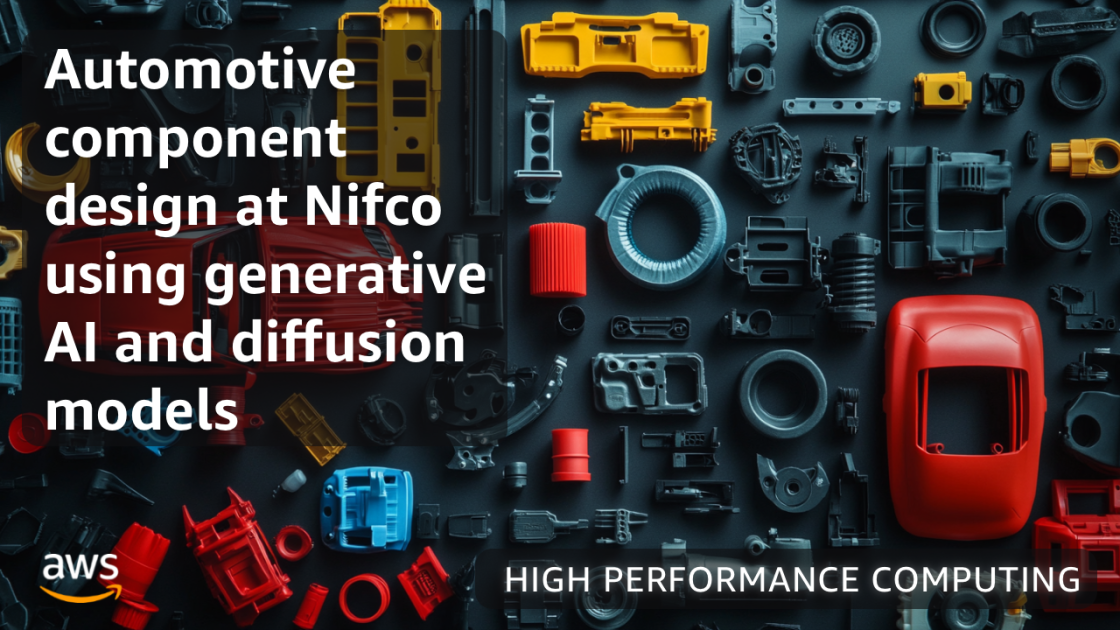
Overview of Innovations in Design
The collaboration between Nifco USA and AWS showcases the transformative potential of generative AI in automotive design. By utilizing diffusion models, they aim to create lightweight and high-performance automotive components. Traditional design methods often involve complex and costly simulations. In contrast, this innovative approach leverages AI to optimize structural designs efficiently, leading to significant advancements in the automotive industry.
Key Details
- Generative AI, particularly diffusion models, optimizes ribbing structures for automotive components, enhancing strength while minimizing weight.
- Nifco’s exploration focuses on converting metal brackets to plastic designs, improving fuel efficiency and reducing material costs.
- The AI model processes extensive training data, producing new geometries that maintain structural integrity under various loading conditions.
- The resulting designs have shown to be lighter than traditional structures, offering better performance metrics in terms of strength and weight.
Significance in the Industry
The implications of this technology extend beyond mere weight reduction. By optimizing component designs, manufacturers can enhance fuel efficiency and electric vehicle range, directly influencing consumer choices. Moreover, the generative AI approach streamlines production, leading to cost savings and faster time-to-market for new products. This innovation not only boosts profitability for companies but also promotes sustainability through reduced material usage. Overall, the integration of generative AI in automotive design represents a significant leap forward, with potential applications across various industries.





