The Challenge of Medical Record Sharing
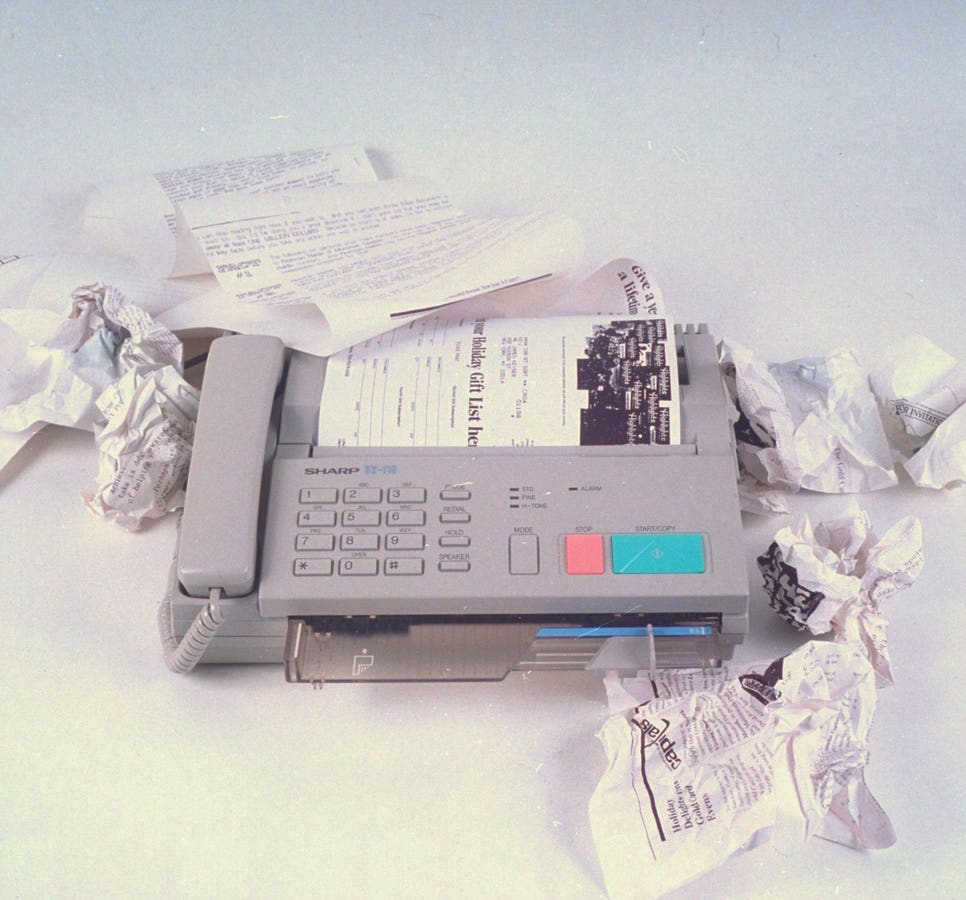
In the medical field, sharing records between offices often relies on outdated technology, specifically fax machines. This situation arises due to strict privacy regulations under HIPAA, which limit the use of modern digital tools like email and electronic signatures. Many healthcare providers are stuck using faxes because they lack secure systems for transmitting sensitive information. Although efforts have been made to digitize records through electronic health records (EHRs), the lack of interoperability between different software systems means that healthcare workers still spend a lot of time manually transferring data.
Key Insights
- The reliance on fax machines in medical offices highlights a significant gap in modern healthcare technology.
- HIPAA regulations restrict the use of many digital solutions, forcing offices to revert to faxes for secure communication.
- The HITECH Act aimed to promote EHR adoption but did not address the issue of software interoperability.
- AI has the potential to streamline medical record sharing by converting data formats and automating labor-intensive processes.
The Bigger Picture
The reliance on fax machines in healthcare is a symptom of broader issues in the industry, particularly regarding technology integration. If AI can effectively bridge the gaps between different medical software systems, it could lead to a more efficient healthcare system. This not only stands to improve patient care but also significantly reduce administrative burdens on healthcare workers. As AI continues to evolve, it may eliminate the need for outdated practices like faxing, paving the way for a more modern and efficient approach to medical record management.