
Understanding Germany’s AI Strategy
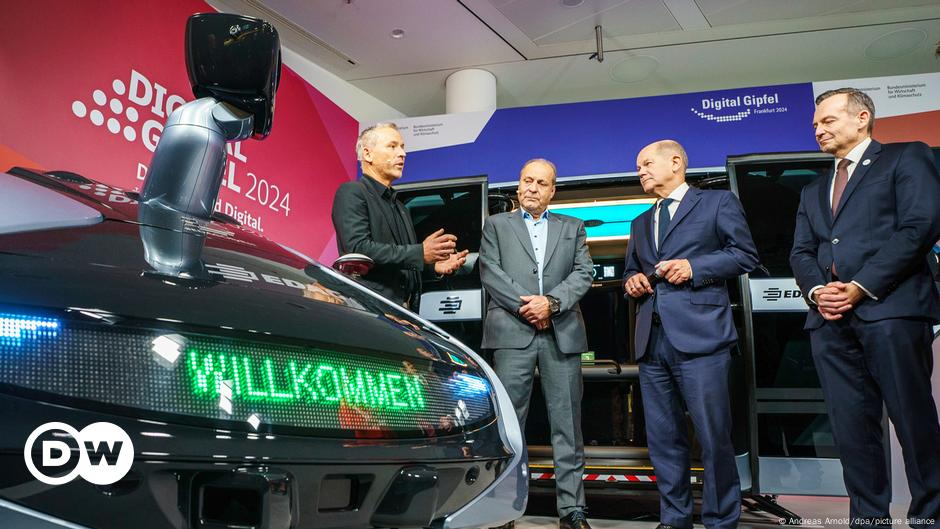
Germany is making a concerted effort to compete in the global artificial intelligence (AI) arena, currently dominated by the US and China. The country has identified three key pillars for its strategy: trustworthy technology, industrial data, and European cooperation. Despite a rich history in AI research, Germany has struggled to produce leading AI applications. Chancellor Olaf Scholz and other government officials emphasize the need for increased investment and innovation to achieve technological sovereignty and independence from foreign tech giants.
Key Points of the Strategy
- Germany’s goal is to enhance its technological sovereignty by mobilizing more venture capital for startups.
- A recent study shows that 20% of German companies have integrated AI into their operations, reflecting growing interest and acceptance of the technology.
- Public initiatives like the Future Center for Human-Centered AI are helping small businesses adopt AI solutions, addressing fears and uncertainties.
- The EU’s AI Act, effective from August 2024, aims to create a framework for trustworthy AI, which Germany hopes will set it apart from US competitors.
Significance of the Initiative
This strategy is crucial as Germany seeks to reclaim its position in the global tech landscape. With rising awareness of the importance of technological independence, the country aims to leverage its industrial data and foster European collaboration. By focusing on ethical AI development, Germany hopes to build trust in its technologies and create a competitive edge in the global market. The success of this plan could reshape the future of AI in Europe, promoting innovation and economic growth.





