
Understanding the Impact of AI in Health
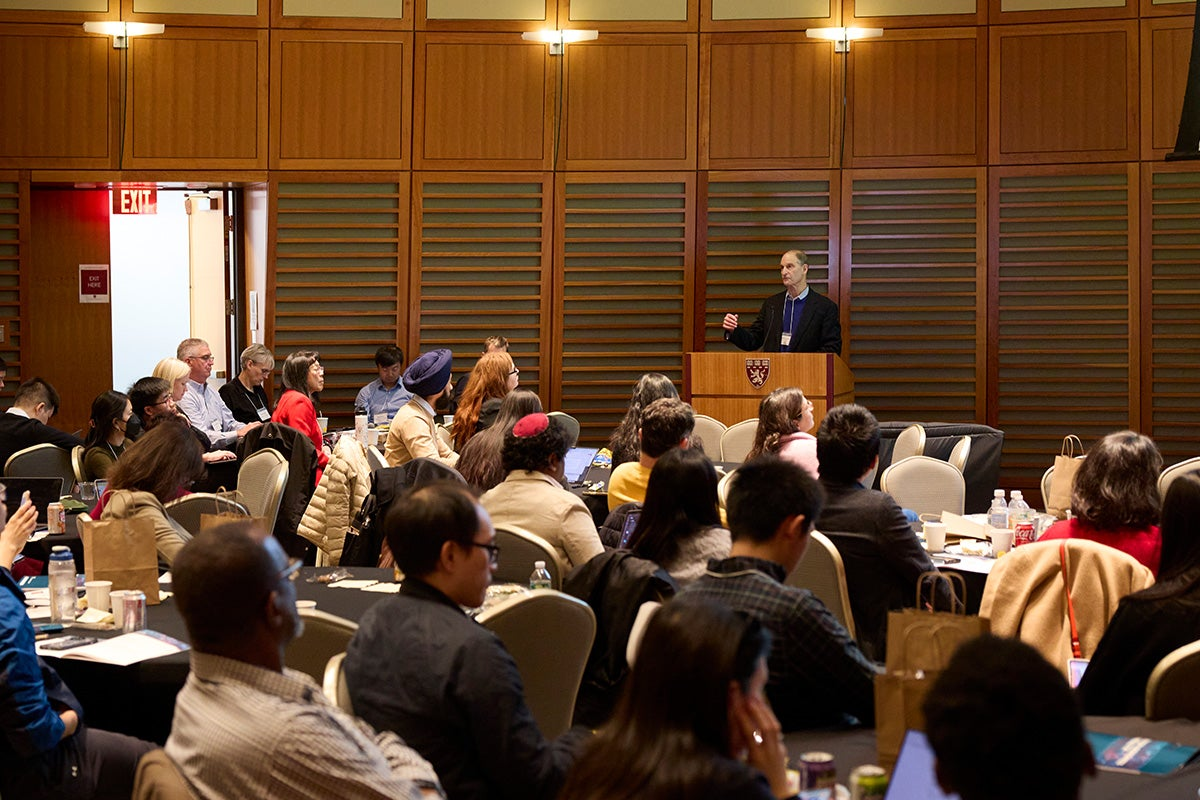
This year marks a significant achievement for artificial intelligence (AI) as it received a Nobel Prize for the first time. The 2024 Nobel Prize in Chemistry honored researchers for their work on AI software, specifically AlphaFold, which predicts protein structures. This technology has the potential to revolutionize various fields, particularly in health, where it can aid in vaccine development and understanding viral proteins. The recent conference at Harvard highlighted the growing role of AI in addressing critical health issues, including antibiotic resistance and personalized cancer treatment.
Key Highlights
- AlphaFold’s recognition emphasizes AI’s transformative potential in science and health.
- Researchers are using AI to discover new antibiotics amid rising resistance.
- AI models are being developed to tailor cancer treatments to individual patients.
- Generative AI shows promise in assisting clinicians with diagnostics and patient data analysis.
- Regulatory challenges exist, as current frameworks struggle to keep pace with AI advancements.
The Bigger Picture
The integration of AI in healthcare is crucial as it can lead to breakthroughs in treating diseases that have become increasingly difficult to manage. As antibiotic-resistant bacteria and personalized medicine become more pressing issues, AI offers innovative solutions. However, the challenges of regulation must be addressed to ensure safe and effective use. The call for collaboration between developers and clinicians is essential for creating AI technologies that truly meet healthcare needs. The ongoing evolution of AI in health highlights its potential while reminding us of the importance of responsible development and implementation.





