
Overview of the Initiative
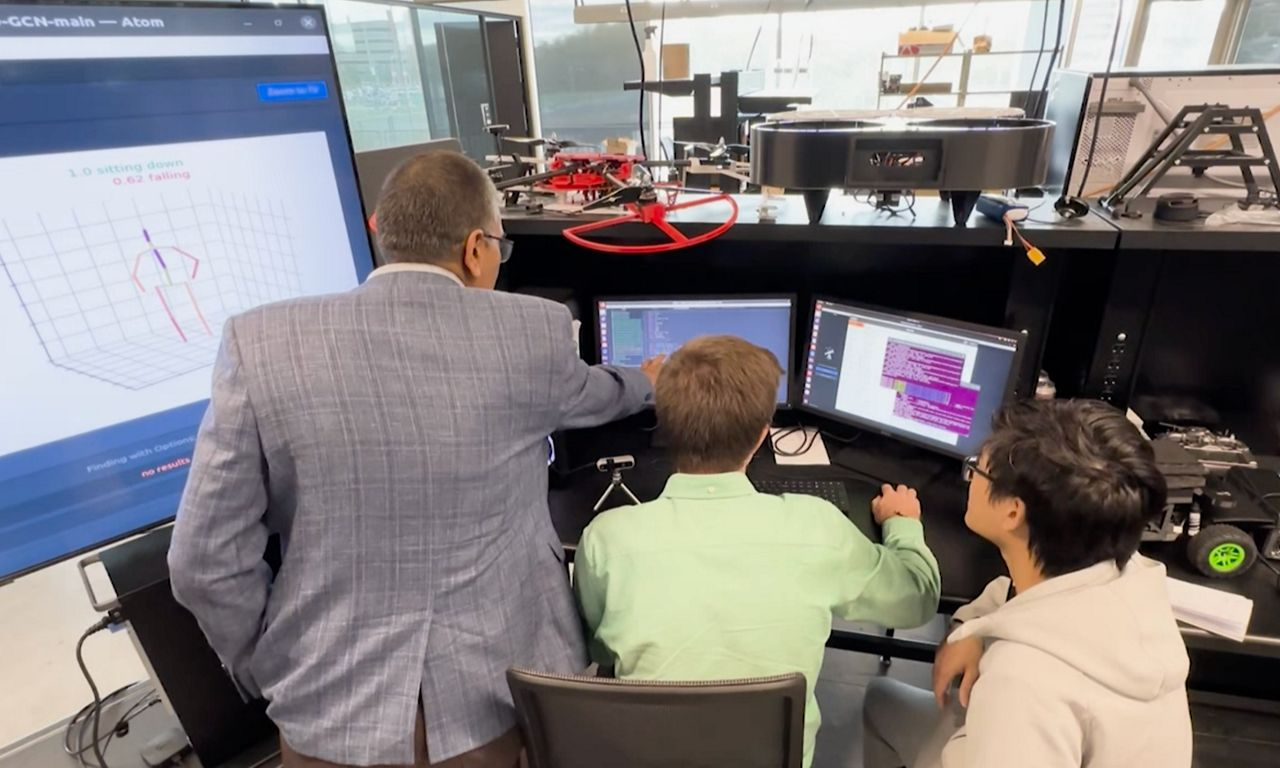
Researchers at the University of Cincinnati are exploring how artificial intelligence can improve workplace safety. With a grant of $1.4 million from the Ohio Bureau of Workers’ Compensation, the project focuses on using a human “digital twin” approach. This method aims to model human movements to identify risks and enhance safety protocols in various industries. The research comes at a critical time, as there has been a notable increase in work-related injuries in recent years, prompting the need for innovative solutions.
Key Details
- The research targets human-machine interactions, particularly in settings involving robots and autonomous vehicles, like forklifts.
- The Smart Manufacturing Lab is utilizing generative AI to predict human motion and analyze movements such as bending and wrist actions.
- The goal is to identify potential health risks from common injuries like falls and overexertion, providing real-time feedback on worker performance.
- A secondary project aims to create an improved hard hat designed to reduce head injuries in the workplace.
Importance of the Research
This initiative is crucial for enhancing worker safety and productivity within industries. By addressing gaps in current safety measures, the research not only aims to prevent injuries but also to improve overall operational efficiency. The findings could lead to practical solutions that benefit both workers and employers, making workplaces safer and more cost-effective. This research is expected to culminate in a proof of concept within a year, potentially leading to market-ready products that could transform workplace safety standards.





