
Understanding the Challenge
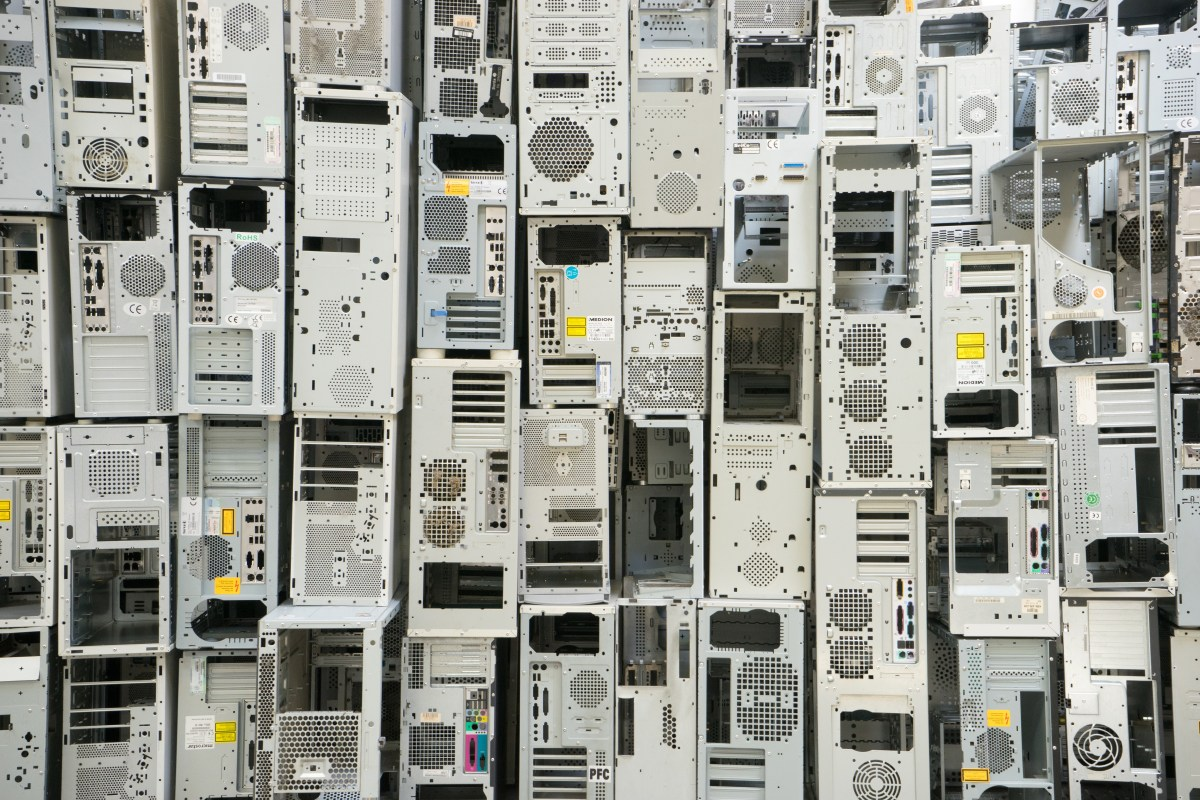
The rapid growth of AI technology is leading to a significant increase in electronic waste (e-waste). Researchers from Cambridge University and the Chinese Academy of Sciences predict that by 2030, the industry could generate e-waste equivalent to over 10 billion iPhones annually. This projection aims to raise awareness about the environmental impact of AI’s expansion, focusing on the physical materials involved and the waste produced by outdated electronic equipment.
Key Findings
- E-waste could rise from 2.6 thousand tons in 2023 to between 0.4 and 2.5 million tons by 2030.
- The study highlights the need for effective strategies to manage this waste, including downcycling and repurposing components.
- The researchers modeled different growth scenarios, indicating that waste could increase significantly, potentially by a thousandfold.
- Mitigation strategies could reduce waste by 16% to 86%, depending on adoption rates of these measures.
The Bigger Picture
The looming e-waste crisis underscores the urgent need for sustainable practices in the AI industry. As technology evolves, the responsibility to manage its environmental impact becomes crucial. The choices made today regarding resource management and waste reduction will determine the future of e-waste levels. By adopting better practices, the industry can lessen its burden on the planet and pave the way for a more sustainable technological landscape.





