
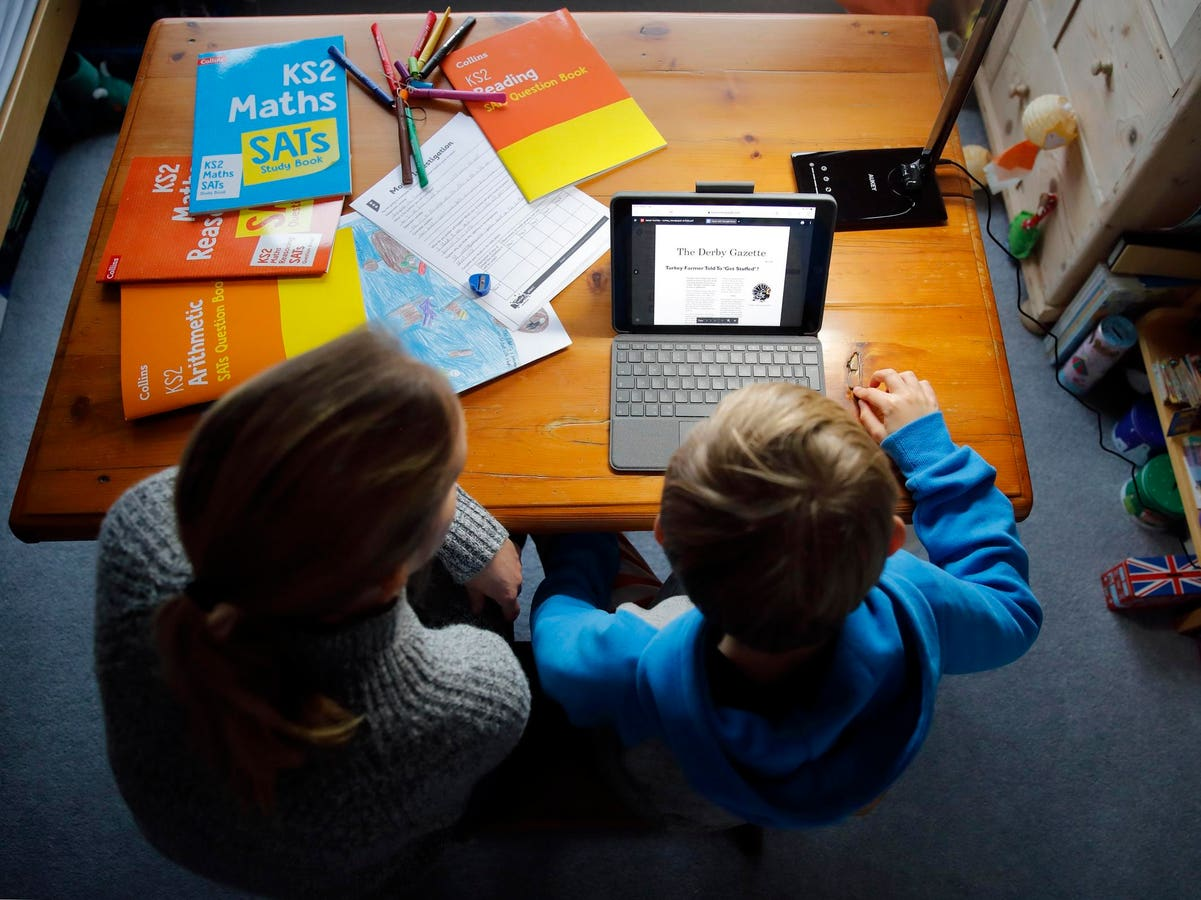
Understanding the Shift in Education
The rise of AI tools is reshaping the education landscape, raising questions about their impact on student learning and assessment. A recent discussion sparked by Deedy Das, who used a large language model for his Stanford homework, highlighted the concern that students may no longer engage with traditional homework. This situation poses significant challenges for educators trying to maintain effective learning environments.
Key Points of Discussion
- Many believe that using AI to complete assignments diminishes the learning experience, as students may not grasp essential concepts.
- Critics argue that reliance on AI could lead to a generation lacking critical thinking and problem-solving skills, essential for future careers.
- Some educators suggest that even if students use AI for answers, writing them down can reinforce learning, bridging the gap between technology and human understanding.
- The debate also touches on the implications for college admissions, where AI-generated essays could undermine the evaluation process.
The Bigger Picture: Rethinking Assessment
As AI becomes more integrated into education, traditional methods of measuring student capabilities must evolve. If students can easily access AI-generated solutions, the validity of their skills comes into question. This shift demands a reevaluation of educational practices to ensure that assessments reflect genuine understanding and creativity. The challenge lies in balancing technology’s benefits with the need for authentic learning experiences, ensuring that future professionals are equipped with the skills to thrive in a rapidly changing world.





