
The Rise of Alexa
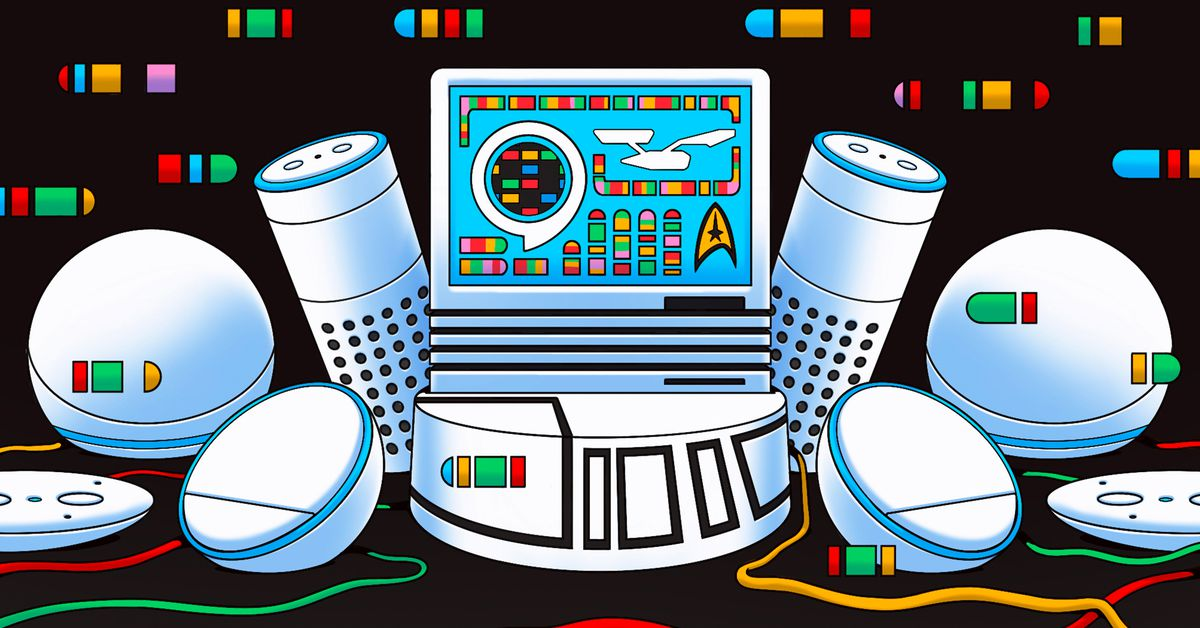
Amazon’s Alexa, launched in 2014, aimed to revolutionize home technology with voice-controlled artificial intelligence. Inspired by Star Trek’s “Computer,” Alexa quickly gained popularity, finding its way into millions of homes through Echo smart speakers.
Key Developments and Challenges
- Alexa’s initial success stemmed from basic functions like playing music, reporting weather, and setting timers
- The assistant expanded to control smart home devices, enhancing its utility
- Despite significant investment, Alexa’s intelligence hasn’t notably improved over the years
- Users still primarily rely on Alexa for simple tasks, falling short of the envisioned “superhuman assistant”
The Future of Voice Assistants
While Alexa pioneered voice control in homes, it faces hurdles in becoming truly intelligent. The lack of personal context and limited natural language processing hinder its progress. However, emerging technologies like large language models offer hope for more conversational and capable voice assistants. As competition intensifies, Amazon must innovate to maintain Alexa’s relevance in the evolving smart home landscape.





