
Exploring Historical Astronomy
Historians are using artificial intelligence to study how astronomical knowledge spread across Europe during the early 1500s. This research challenges the traditional view that scientific revolutions were the work of isolated geniuses. Instead, it highlights the collaborative nature of knowledge sharing in this period. The work shows the formation of a proto-international scientific community where students learned about astronomy in various disciplines, indicating a broader understanding of the cosmos among educated individuals.
Key Findings
- The study analyzed 359 astronomy textbooks published between 1472 and 1650.
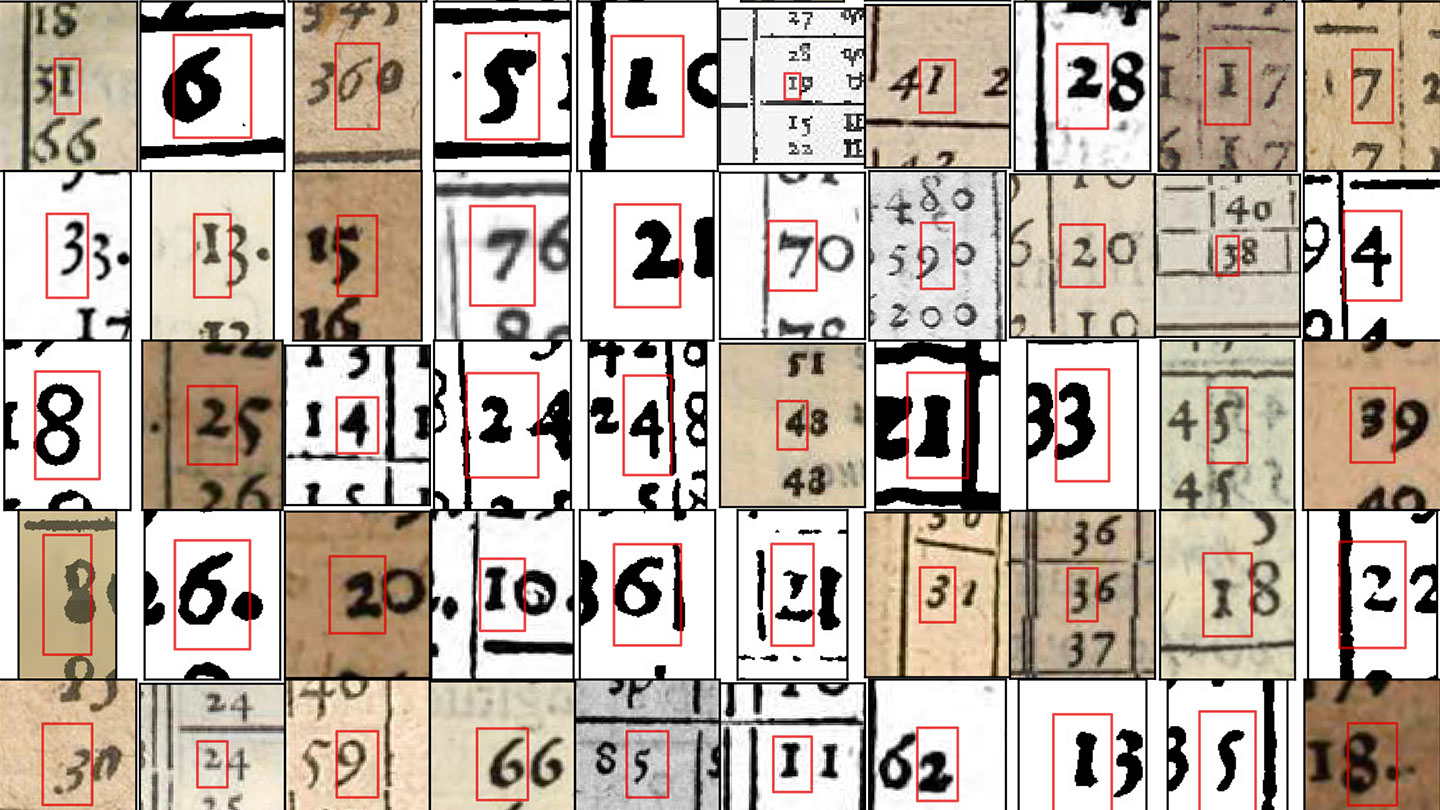
- AI was trained to identify and compare thousands of numerical tables within these texts, revealing trends and similarities.
- Textbooks from Wittenberg in the 1530s significantly influenced astronomy education across Europe.
- The research highlights the interconnectedness of scientific development with social and cultural contexts, moving away from the idea of individual heroes in science.
Significance of the Research
This study underscores the importance of collaborative knowledge in scientific advancements. By revealing how educational practices in Wittenberg shaped astronomy throughout Europe, it illustrates the complex social dynamics that fostered scientific progress. The use of AI in this research represents a new frontier in historical analysis, allowing historians to uncover patterns that would be impossible to identify manually. This approach not only enriches our understanding of the past but also emphasizes the ongoing relevance of shared knowledge in shaping our world today.


