
The Vision for Voice Interaction
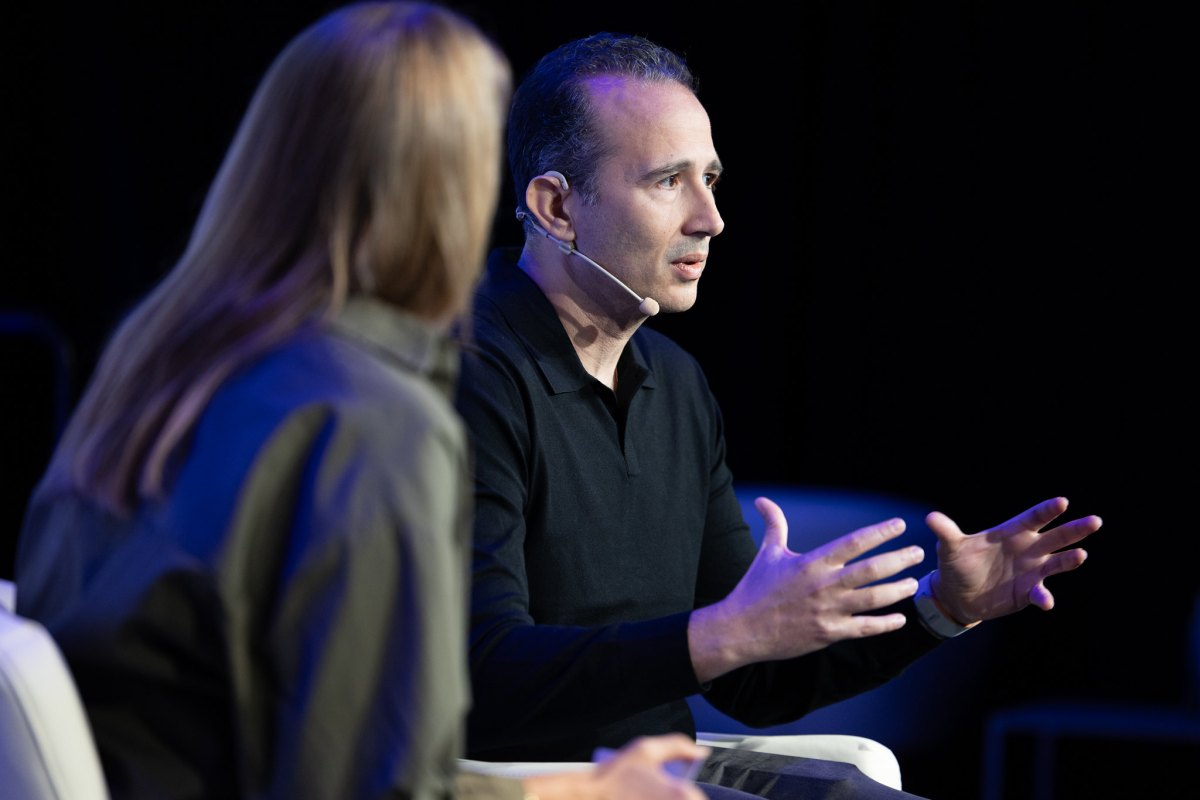
Rivian’s chief software officer, Wassym Bensaid, advocates for a future where voice control replaces physical buttons in cars. He sees traditional buttons as an outdated approach, calling them an anomaly rather than a feature. Bensaid emphasizes the potential of AI-powered voice assistants in vehicles, although he acknowledges current limitations. His ambition is to make voice the primary way drivers interact with their cars.
Key Insights from Bensaid’s Perspective
- Bensaid drives an engineering vehicle equipped with an AI voice assistant, hinting at future developments.
- He believes that while voice controls can handle complex requests, issues like latency and inaccuracies must be resolved.
- Rivian aims to enable voice control for all touchscreen functions, moving beyond just basic commands.
- The company is not planning to integrate CarPlay, as Bensaid views it as a simplistic solution that compromises the unique Rivian experience.
The Importance of AI in Vehicles
The shift towards voice control in cars represents a significant change in how drivers interact with technology. With cars becoming increasingly feature-rich, enhancing user experience through voice commands could streamline operations and improve safety. Bensaid’s vision aligns with a growing trend in the automotive industry, where seamless integration of AI technology is essential for future advancements. This focus on voice control could redefine the driving experience, making it more intuitive and less reliant on physical interfaces.





