
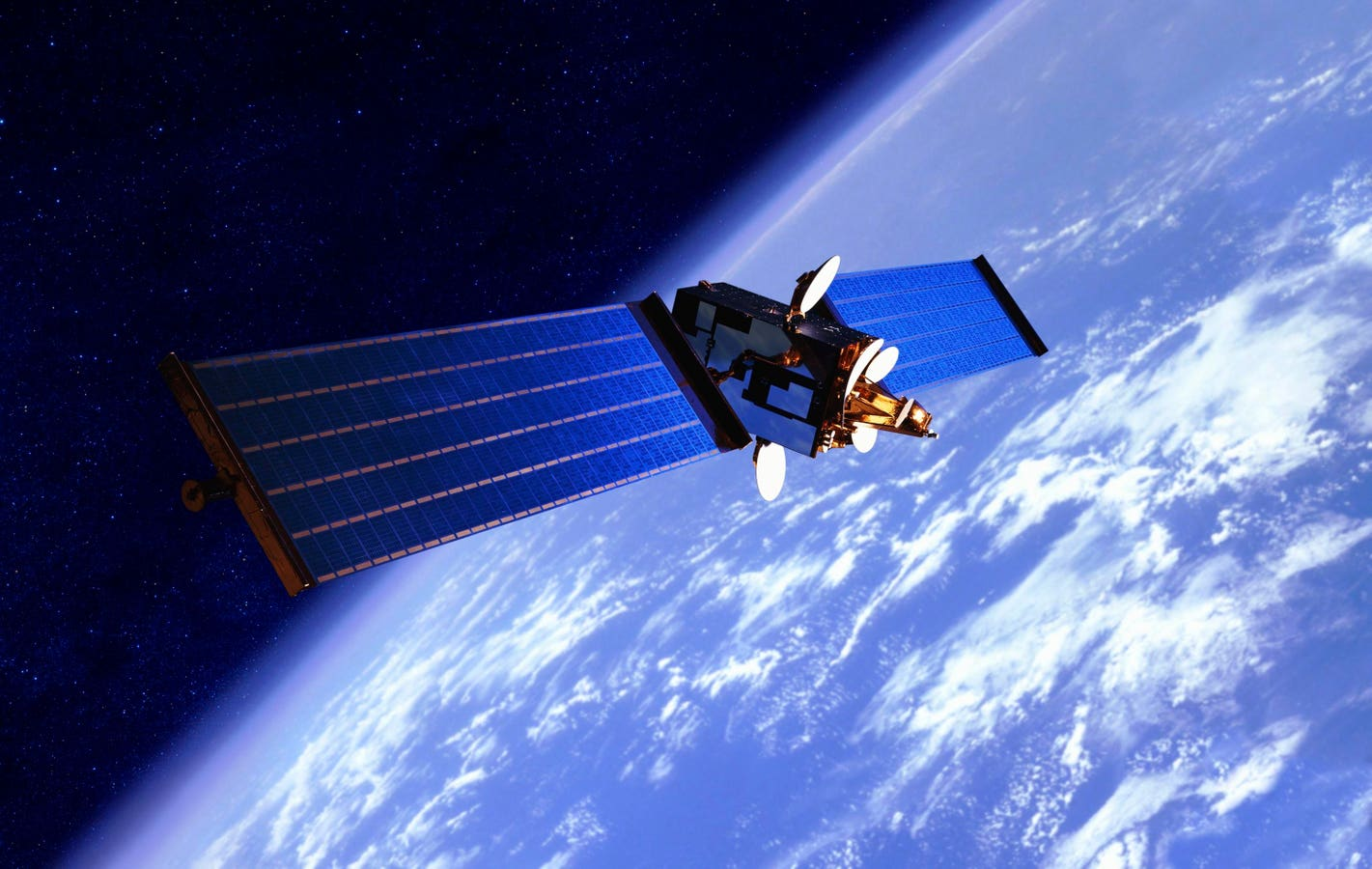
Understanding Non-Terrestrial Networks (NTNs)
Artificial intelligence is revolutionizing the Non-Terrestrial Networks (NTNs) industry, which focuses on space telecommunications. This emerging sector is essential for achieving global connectivity and enhancing our understanding of Earth. Recent discussions among industry leaders highlighted the need for NTNs to provide internet access to underserved populations and to gather vital data about climate change and disaster management. The ongoing efforts aim to ensure that NTNs do not become exclusive to a privileged few, but instead serve a broader audience.
Key Highlights
- The number of people without reliable internet access has decreased slightly, but 2.6 billion still lack connectivity.
- NTNs utilize advanced technology to monitor climate patterns and manage natural disasters, benefiting industries like agriculture.
- The Outer Space Treaty complicates the extraction of space resources, but new initiatives are paving the way for a more equitable future.
- AI is essential for managing the growing number of satellites and the vast data they generate, making human management impractical.
- The Riyadh conference focused on civilian NTNs, emphasizing fair regulation and addressing the risks of space debris.
The Bigger Picture
The development of NTNs is vital for humanity’s long-term survival and advancement. As Earth faces numerous threats, from climate change to potential asteroid impacts, establishing a multi-planetary presence becomes crucial. NTNs will facilitate this ambition by providing the necessary infrastructure and data analysis capabilities. Moreover, as countries like Saudi Arabia invest in space technology, the global landscape for NTNs is shifting towards a more collaborative and multi-polar future. Ensuring equitable access to these technologies is essential for fostering innovation and addressing global challenges.





