Understanding the Challenge
Climate change presents a daunting challenge. Accurate modeling of Earth’s systems requires immense computational power and advanced technology. Mike Pritchard, a research manager at Nvidia and a professor at UC Irvine, explains that simulating climate scenarios is complicated due to the vast range of physical processes involved. Current supercomputers struggle to fully capture this complexity, leaving many questions about future climate unanswered. Pritchard emphasizes that while traditional simulations can provide valuable insights, they often fall short in addressing the nuances of climate dynamics.
Key Insights
- Pritchard highlights the importance of high-resolution simulations to understand cloud behavior, which significantly impacts global temperatures.
- Nvidia’s AI tools, such as Modulus and Earth2Studio, are at the forefront of developing advanced climate models.
- New generative AI models, like StormCast and CorrDiff, demonstrate the potential for improved weather forecasting through machine learning.
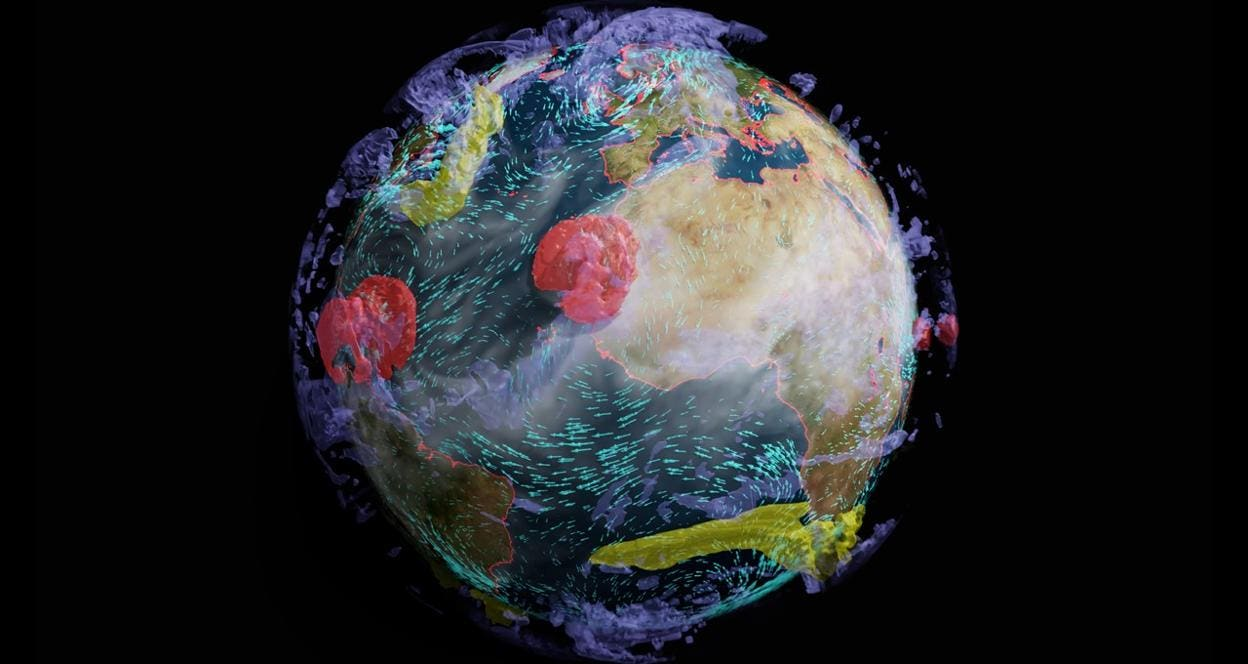
- The Earth-2 Platform allows for the creation of digital twins of Earth’s climate, facilitating better analysis and understanding of weather phenomena.
Significance of AI in Climate Science
The integration of AI into climate modeling could revolutionize how scientists predict and understand weather patterns. By utilizing advanced AI techniques, researchers can simulate a range of scenarios more efficiently. This approach not only enhances forecasting accuracy but also equips climate risk modelers with better tools to prepare for extreme weather events. Pritchard’s vision of interconnected AI digital twins could lead to breakthroughs in comprehending the complex interplay of climate systems, ultimately guiding humanity toward more informed environmental decisions.