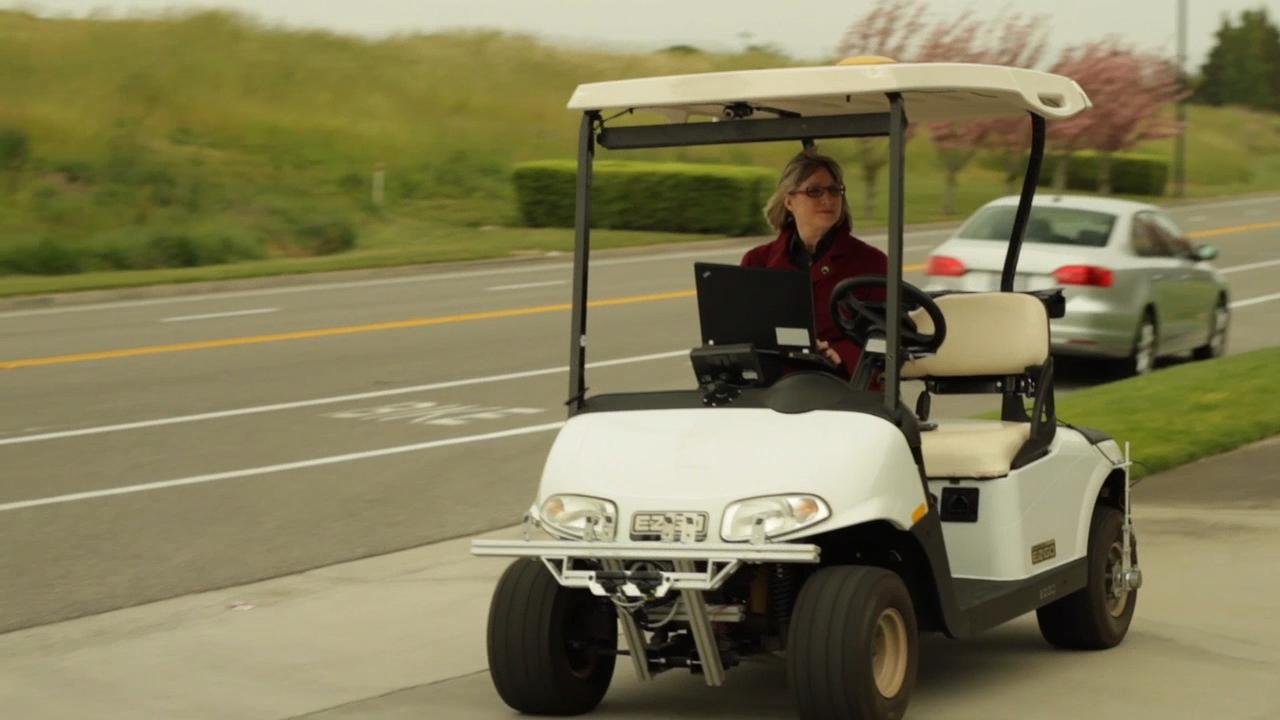
Overview of the Journey
Waymo’s evolution from a simple golf cart project named Caddy to a sophisticated robotaxi service showcases the rapid advancements in autonomous vehicle technology. Caddy, initiated in 2009, was a low-cost experiment that aimed to explore the feasibility of self-driving technology using basic sensors and components. It operated on a limited scale at Google’s campus, providing a glimpse into what automated transport could achieve. Although it never reached production, Caddy laid the groundwork for Waymo’s future developments.
Key Highlights
- Caddy was a side project with minimal resources, using basic tech from 2009.
- It demonstrated autonomous driving on fixed routes without a safety driver.
- Users could summon rides via a website or app, a novel concept at the time.
- Waymo has since advanced to sixth-generation vehicles, operating in multiple cities.
Significance of the Progress
The journey from Caddy to today’s Waymo vehicles illustrates how far the industry has come in just over a decade. While Caddy’s technology was rudimentary, it sparked important discussions about infrastructure and self-driving capabilities. Waymo’s current operations, which include providing hundreds of thousands of rides weekly without human intervention, highlight the potential for autonomous vehicles to transform transportation. This evolution reflects not only technological progress but also the changing landscape of urban mobility, paving the way for a future where self-driving cars are a common sight on our roads.