
Understanding the Complexity of Labels
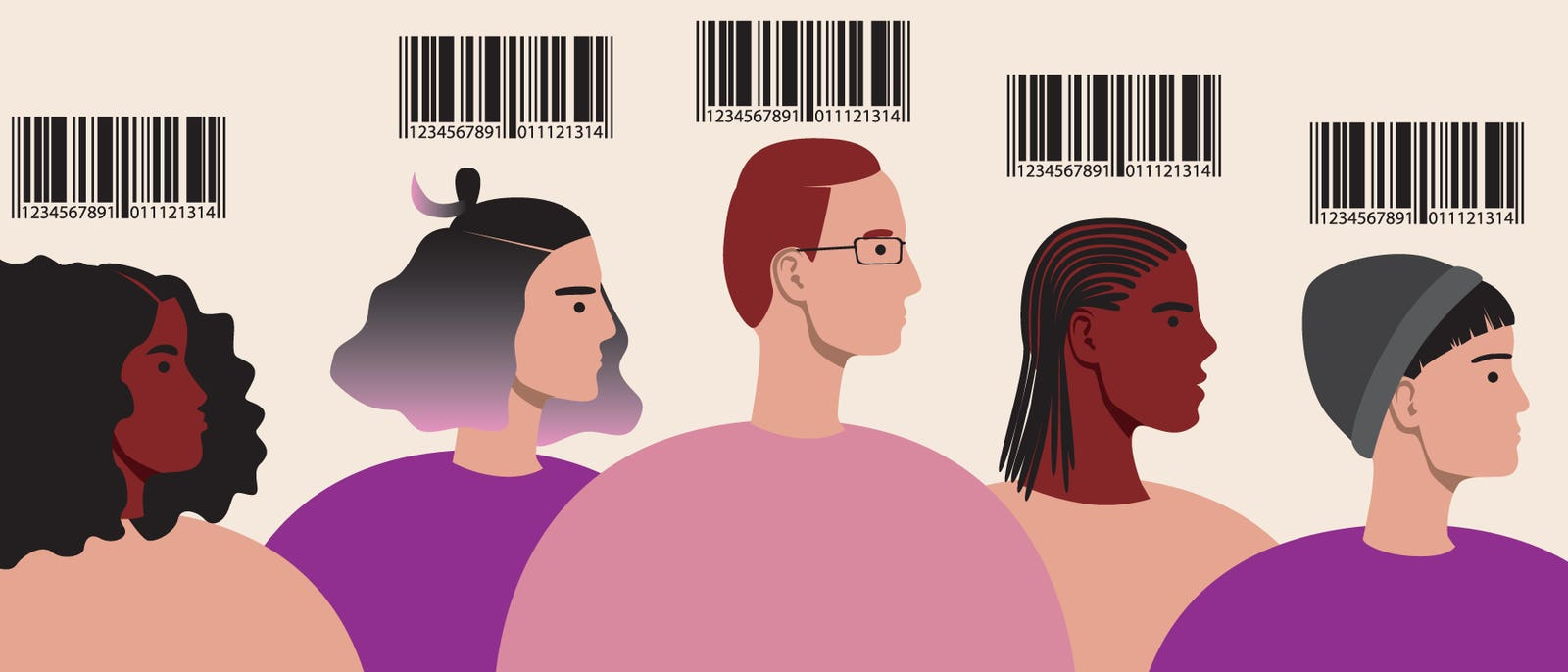
Human brains favor simplicity, often categorizing information to make sense of the world. This inclination leads to binary thinking, where complex issues are reduced to simplistic labels. While useful in certain contexts, this approach can distort our understanding of human relationships and societal dynamics. Stereotypes arise from these labels, limiting our perception of others and hindering meaningful connections. Relying on past experiences to judge new situations can cause us to overlook important nuances, ultimately denying the richness of diversity.
Key Insights on Bias and AI
- Bias in human cognition translates into artificial intelligence, amplifying existing stereotypes.
- AI systems are trained using proxy data, which can embed biases from the data collection process.
- Lack of diversity among developers can lead to skewed datasets, resulting in biased outputs.
- Real-world implications include higher error rates in facial recognition for people of color and biased hiring algorithms.
The Importance of Awareness and Action
Addressing bias in both human thought and AI is crucial for fostering equality. Developing self-awareness about our biases is the first step toward meaningful change. The A-Frame approach encourages individuals to recognize biases, appreciate diverse perspectives, accept limitations, and take responsibility for their actions. By moving beyond simplistic categories, we can embrace the full spectrum of human experience and ensure that future AI technologies reflect this diversity.





