
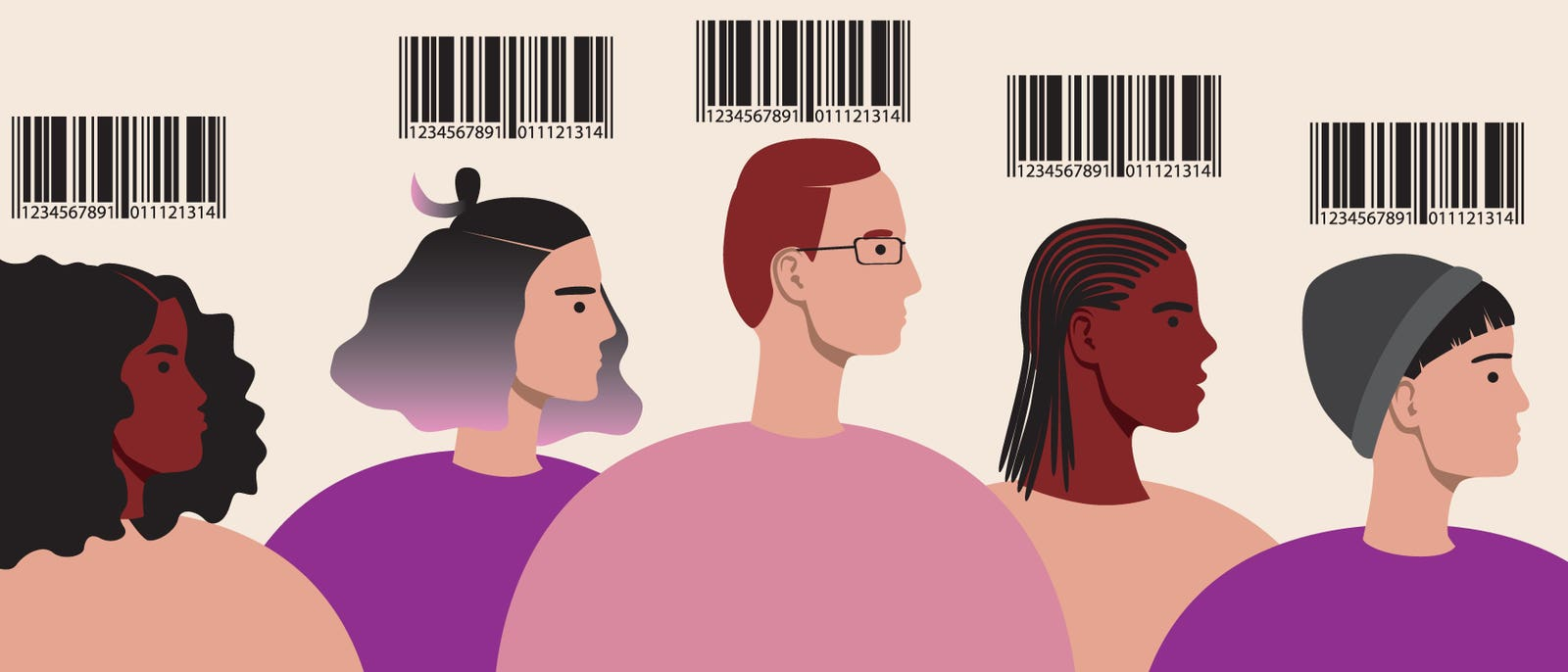
Understanding the Complexity of Labels
Human cognition often simplifies the world by categorizing information. This tendency can lead to binary thinking, where complex issues are reduced to black-and-white choices. Such simplification is harmful, especially when it comes to human relationships and societal dynamics. Labels create stereotypes that limit our understanding of others and hinder meaningful interactions. They also shape how we perceive new experiences, often leading to flawed judgments based on past labels. This reliance on categorization can obscure the rich diversity of human experiences and perspectives.
Key Insights on Bias and AI
- Bias in human thinking is mirrored in artificial intelligence, which amplifies these biases.
- AI systems are trained on proxy data, which can reflect societal stereotypes and historical inequalities.
- Lack of diversity among developers and data collectors leads to skewed datasets and biased outputs in AI.
- Real-world implications include facial recognition inaccuracies and biased hiring algorithms that favor certain demographics.
The Importance of Awareness and Change
Addressing bias in both human cognition and AI is crucial for creating a fairer society. Personal awareness is the first step in recognizing biases. This self-awareness can then influence how we develop and use AI technologies. By embracing diverse perspectives and acknowledging our limitations, we can foster accountability in our decisions. Moving beyond simplistic labels allows us to appreciate the complexities of human experience and the potential for innovation in technology. It is essential to cultivate a mindset that values the spectrum of possibilities rather than confining ourselves to narrow categories.





