Understanding the Issue
The rise of generative AI technologies is creating new challenges in the U.S. election landscape, particularly for Latino voters. A recent study highlights that this demographic is increasingly vulnerable to misinformation spread through AI-generated content, which includes text, audio, images, and videos. With the 2024 elections approaching, the urgency to address this issue is more critical than ever.
Key Findings
- Over half of AI-generated election responses in Spanish are incorrect, compared to 43% in English.
- Meta’s Llama 3 was the least accurate, with nearly 66% of its Spanish responses containing errors.
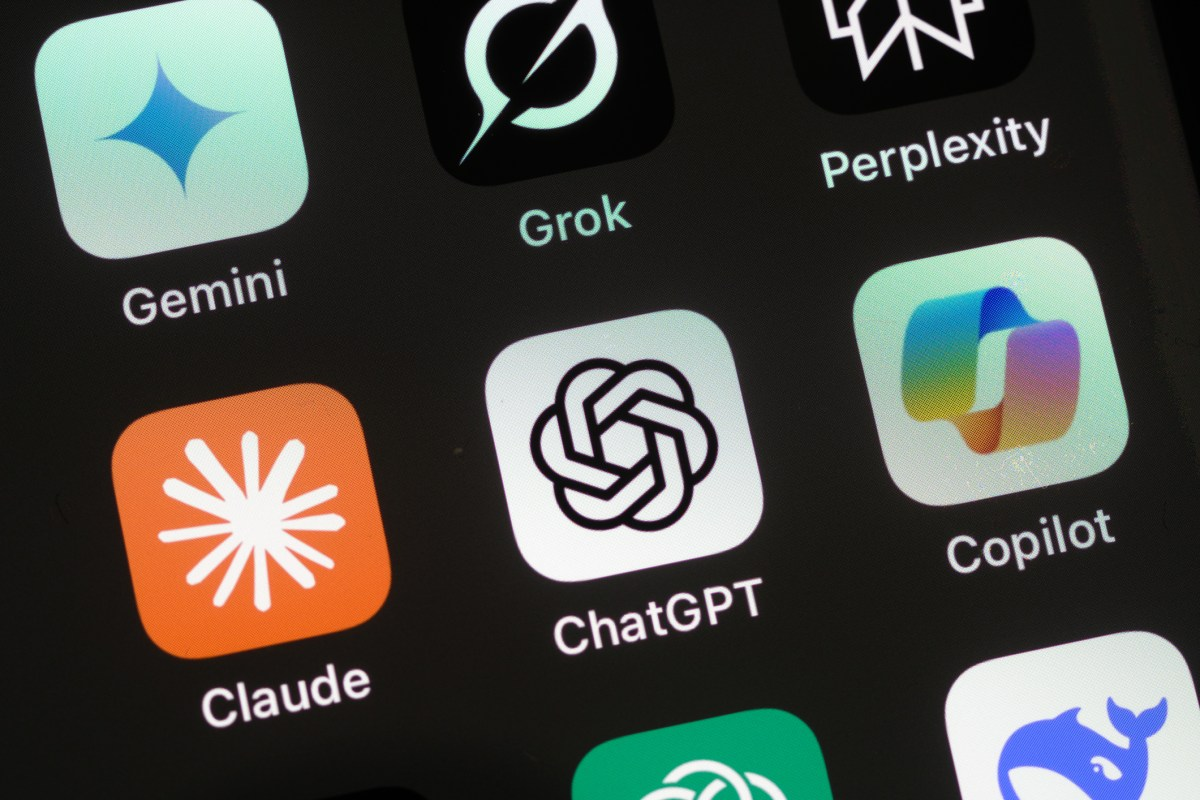
- Google’s Gemini provided misleading information about voter fraud, differing significantly between its English and Spanish outputs.
- Organizations like Mi Familia en Acción and Factchequeado are developing bilingual chatbots to provide accurate voter information and combat misinformation.
Importance of the Situation
This situation is alarming as it highlights a significant gap in the accuracy of information available to Spanish-speaking voters. The disparities in AI responses can lead to confusion and misinformation, especially in states with large Latino populations. This could ultimately influence voter behavior and undermine democratic processes. As AI continues to evolve, it is crucial for tech companies to enhance their detection and response capabilities for election-related queries in multiple languages. Ensuring that all voters receive accurate information is vital for maintaining trust in the electoral system.