Understanding the Shift in Medicine
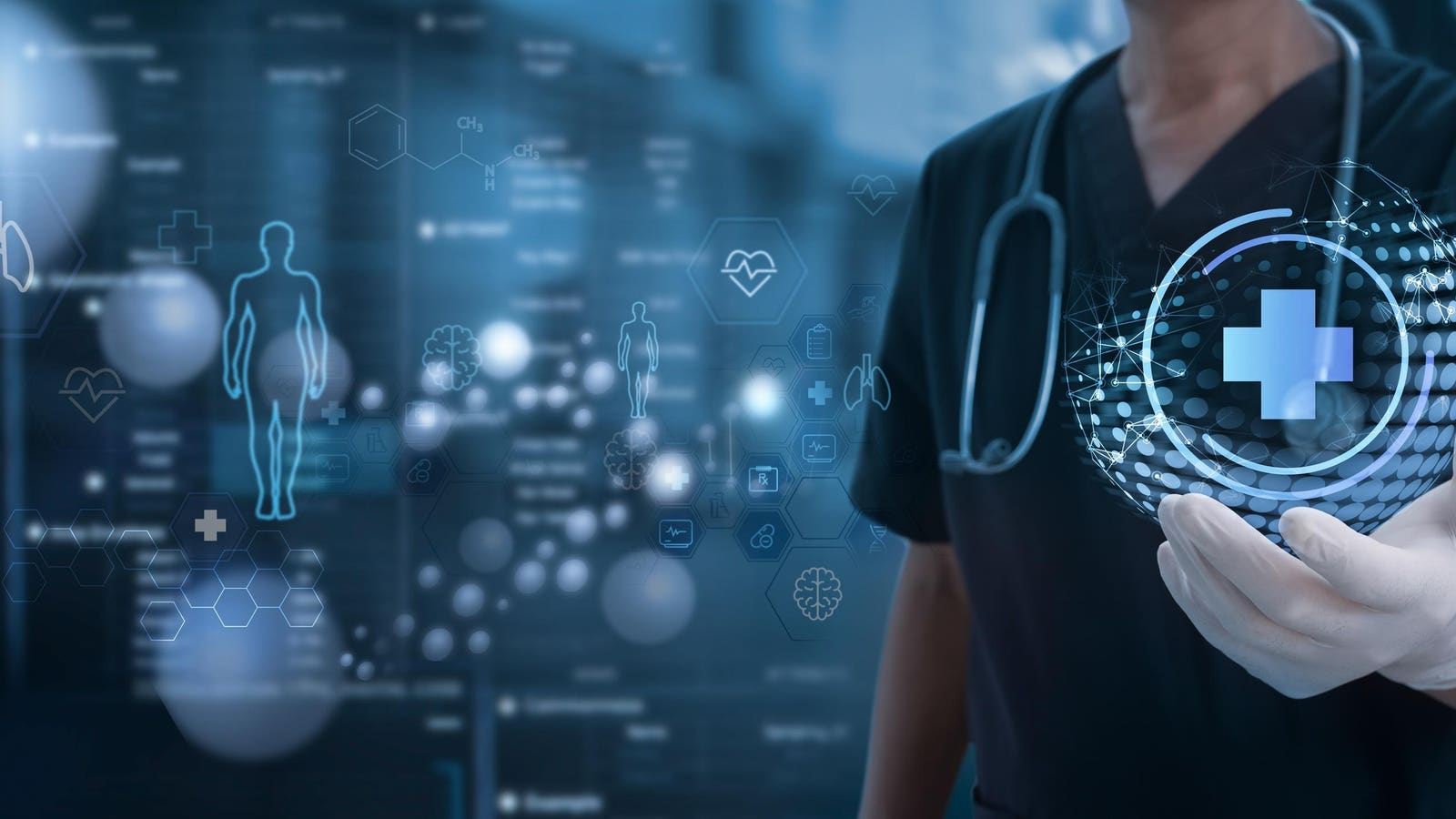
Artificial intelligence (AI) is transforming the field of medicine at an unprecedented pace. Medical students must be aware of how AI could alter their future work as physicians. This awareness is crucial as they choose their specialties, given the significant time and effort involved in training. The evolution of AI in healthcare mirrors historical changes seen during the industrial revolution, but the speed of change now is much faster. As AI continues to develop, it may replace some traditional tasks performed by doctors, leading to shifts in workforce needs.
Key Insights on AI in Medicine
- Diagnostic radiology is seeing AI excel at analyzing medical images, potentially reducing the demand for radiologists in the future.
- In pathology, AI models have improved diagnostic accuracy significantly, suggesting that some tasks could become fully automated.
- Dermatology is also benefiting from AI, with algorithms that enhance the ability to diagnose skin conditions and cancers, potentially allowing non-specialists to take on more responsibilities.
- Internal medicine and pediatric specialists may face reduced consults as AI aids primary care doctors in managing complex cases.
The Bigger Picture: Preparing for Change
The integration of AI in healthcare is not just a passing trend; it represents a fundamental shift in how medicine is practiced. For medical students, understanding these changes is vital for making informed career choices. As AI tools become more prevalent, they will influence everything from job roles to earning potential. While the full impact of AI on specialties remains uncertain, the need for adaptability in medical training and practice is clear. Preparing for a future where AI plays a significant role is essential for the next generation of physicians.