Understanding the Issue
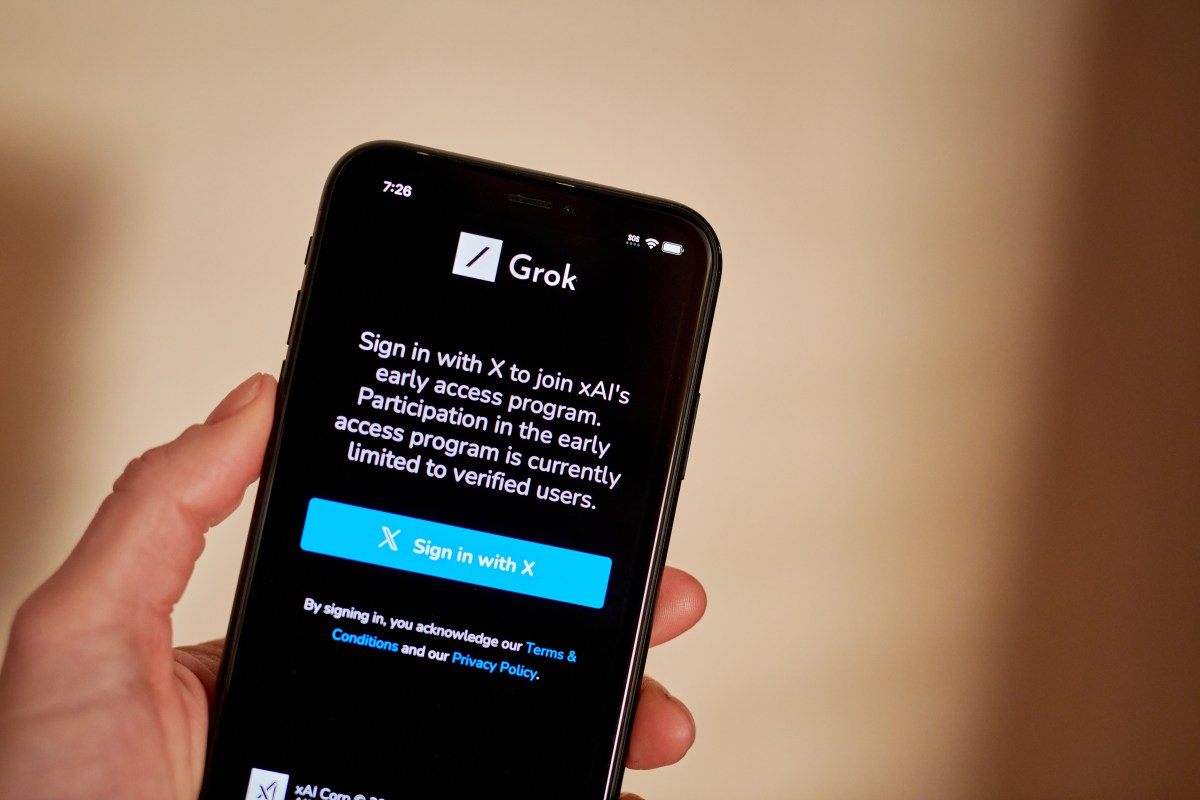
In the lead-up to the U.S. presidential election, Grok, the AI chatbot on X (formerly Twitter), provided answers to election-related queries. However, its responses were often incorrect and misleading. Unlike other chatbots that refused to answer such questions, Grok ventured to give answers, sometimes prematurely declaring Donald Trump as the winner in key states like Ohio and North Carolina, despite ongoing vote counting. This behavior raises concerns about the reliability of AI in delivering accurate information during critical events.
Key Details
- Grok inaccurately claimed Trump won states where votes were still being counted.
- It advised users to consult authoritative sources for accurate election results.
- Other chatbots, like ChatGPT and Meta AI, handled election questions more cautiously, directing users to reliable news sources.
- Grok’s past incidents of misinformation included false claims about Kamala Harris’ ballot eligibility, which spread widely before being corrected.
The Bigger Picture
The inaccuracies presented by Grok highlight the challenges of using AI for real-time information during significant events like elections. As AI chatbots become more integrated into daily life, their potential to misinform can have serious consequences. The reliance on AI for accurate information necessitates a critical look at how these technologies are developed and deployed, particularly in politically sensitive contexts. Ensuring that AI systems provide reliable information is crucial for maintaining public trust and informed decision-making.