Understanding the Trend
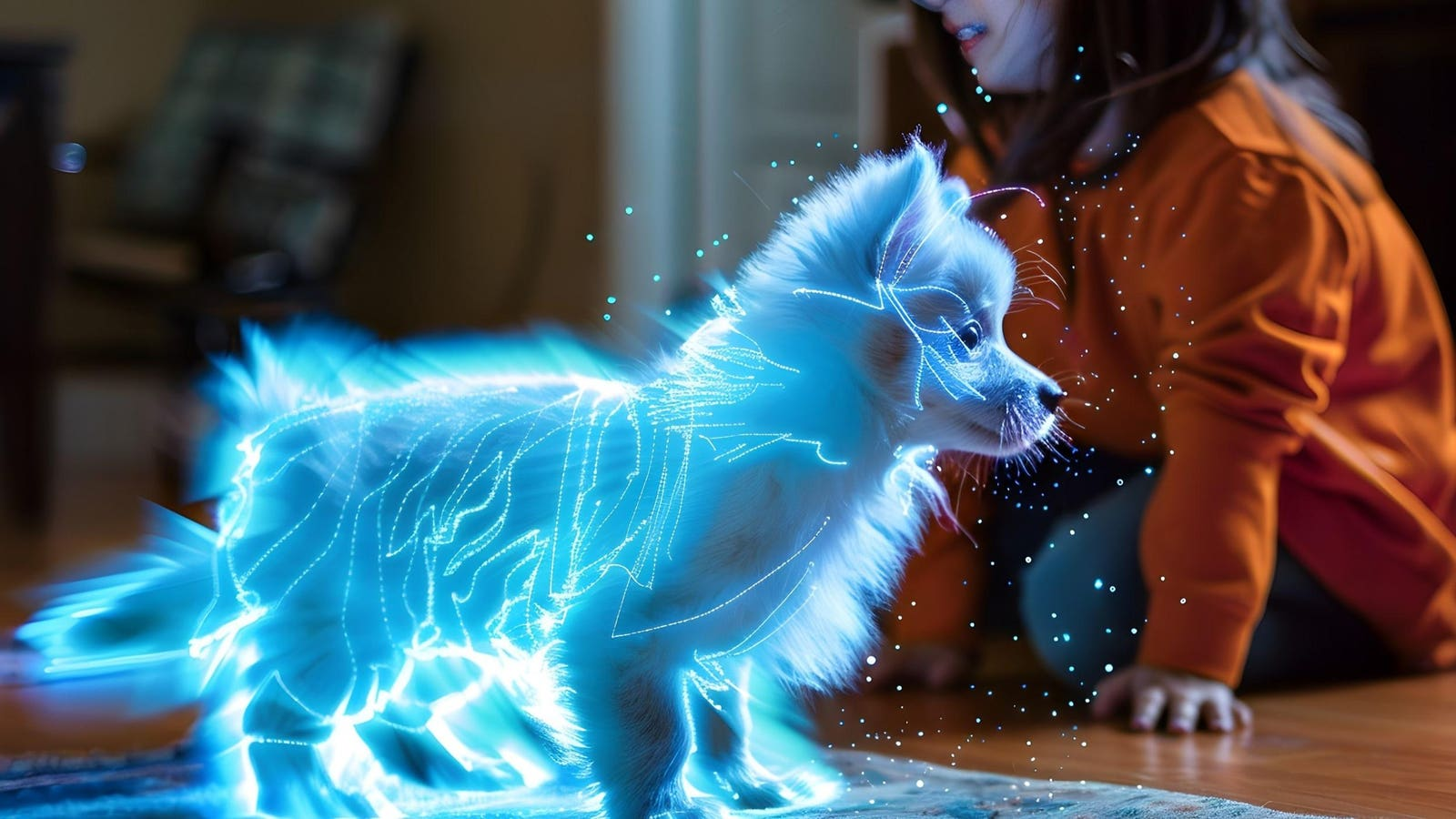
AI-powered virtual pets are experiencing a resurgence, reminiscent of the 1990s Tamagotchis but with advanced technology. These digital companions can talk, learn, and create emotional bonds with users. Apps like Pengu are leading this trend, requiring users to collaborate in caring for their virtual pets, thus enhancing social interactions.
Key Features of AI Virtual Pets
- Pengu uses large language models to give pets unique personalities and traits.
- Users can interact through text and voice, making the experience feel personal.
- The app includes a digital diary to track the pet’s adventures, fostering a sense of life.
- Strict safety measures ensure positive interactions, especially for younger users.
Significance of Virtual Companionship
The emergence of AI virtual pets highlights a shift in how technology can enhance human relationships rather than replace them. These digital companions can help users forge connections through shared experiences, potentially improving social engagement in a tech-heavy world. However, it also raises concerns about the balance between digital and real-life interactions. As these technologies evolve, society must consider the implications for emotional well-being and social development.