
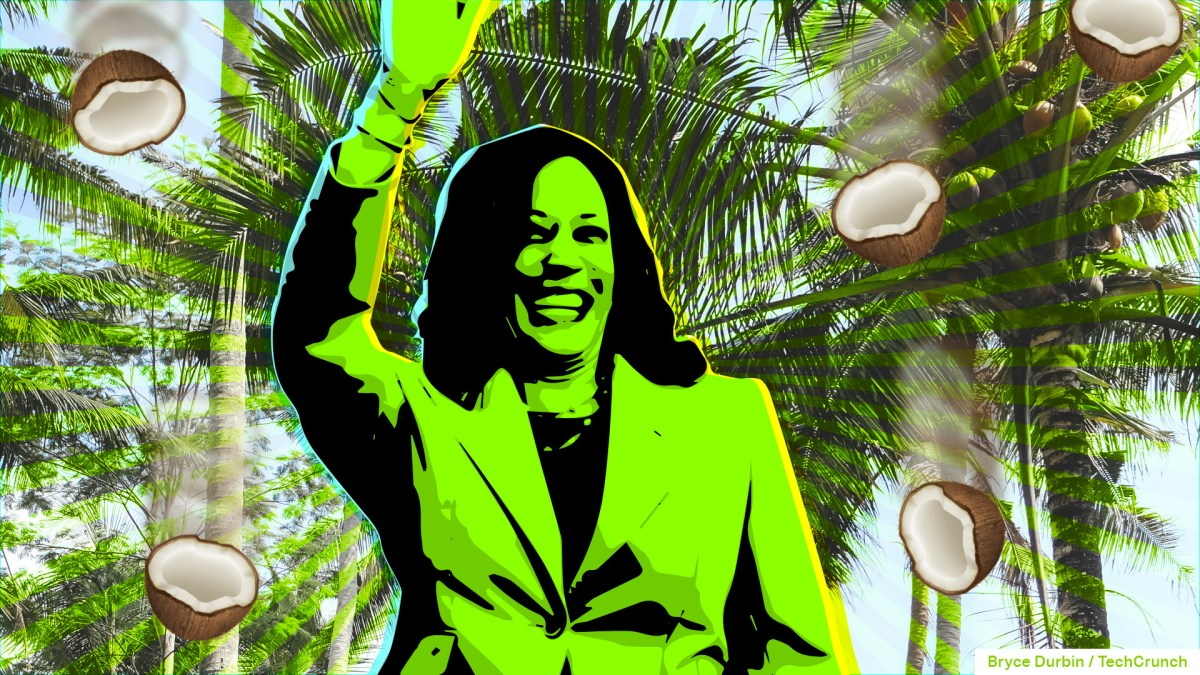
Understanding the Threat
Recent advancements in generative AI have made it alarmingly easy to create convincing deepfake audio, as demonstrated by a simple $5 experiment that generated a convincing audio clone of Kamala Harris. This technology, while innovative, poses significant risks as it opens the door to widespread disinformation. The tools used for such creations, like Cartesia’s Voice Changer, rely on minimal safeguards and an honor system that is easily bypassed. Experts agree that current measures, such as voice verification and content moderation laws, may not be enough to prevent misuse of these technologies.
Key Insights
- The creation of a deepfake audio clone can be done in under two minutes.
- The volume of AI-generated deepfakes surged by 900% between 2019 and 2020.
- Existing laws targeting deepfake misuse are limited, creating a regulatory gap.
- Experts suggest solutions like invisible watermarks to help identify AI-generated content.
The Bigger Picture
The rapid spread of disinformation through deepfakes is a growing concern, especially in contexts like elections where misinformation can significantly impact public opinion. As technology evolves, the challenge of detecting and managing deepfakes becomes more complex. A culture of skepticism towards viral content is essential. Individuals must take responsibility for what they share online, as the fight against disinformation is not just about technology but also about public awareness and critical thinking.





