Understanding AI in Education
A new frontier is emerging in education where AI models, known as Large Language Models (LLMs), are being tested on math problems to evaluate their reasoning capabilities. Using the MATH data set created by OpenAI, which includes 12,500 high school math problems, researchers assess how well these models can perform in educational settings. The goal is to understand their strengths and weaknesses in mathematical reasoning and problem-solving, similar to how human students are evaluated in classrooms.
Key Insights
- OpenAI’s MATH data set covers various math topics, including algebra, geometry, and calculus.
- Different LLMs have shown varying levels of accuracy, with the Qwen Alibaba model achieving an impressive 83.6%.
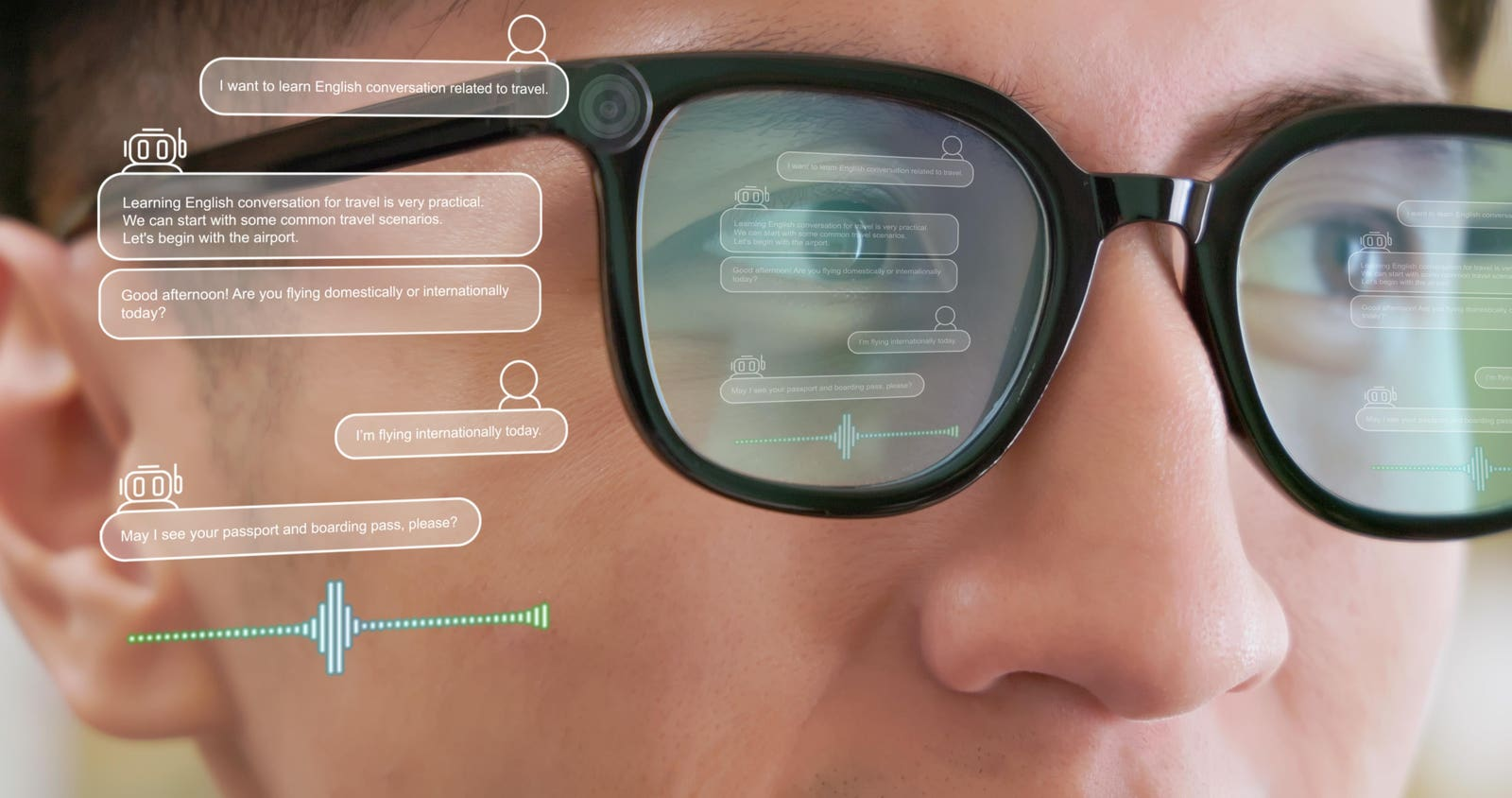
- AI models can potentially provide tutoring and grading, making learning more accessible for students.
- The interaction between human learners and AI could reshape educational methods and improve cognitive skills.
The Bigger Picture
This research is significant as it explores how AI can enhance the learning experience. With LLMs capable of tutoring and grading, they may help bridge educational gaps, providing personalized support to students. The integration of AI in education could revolutionize traditional teaching methods, allowing for more interactive and tailored learning experiences. As AI develops, its role in classrooms will likely expand, presenting both opportunities and challenges for educators and students alike.