Overview of the Project
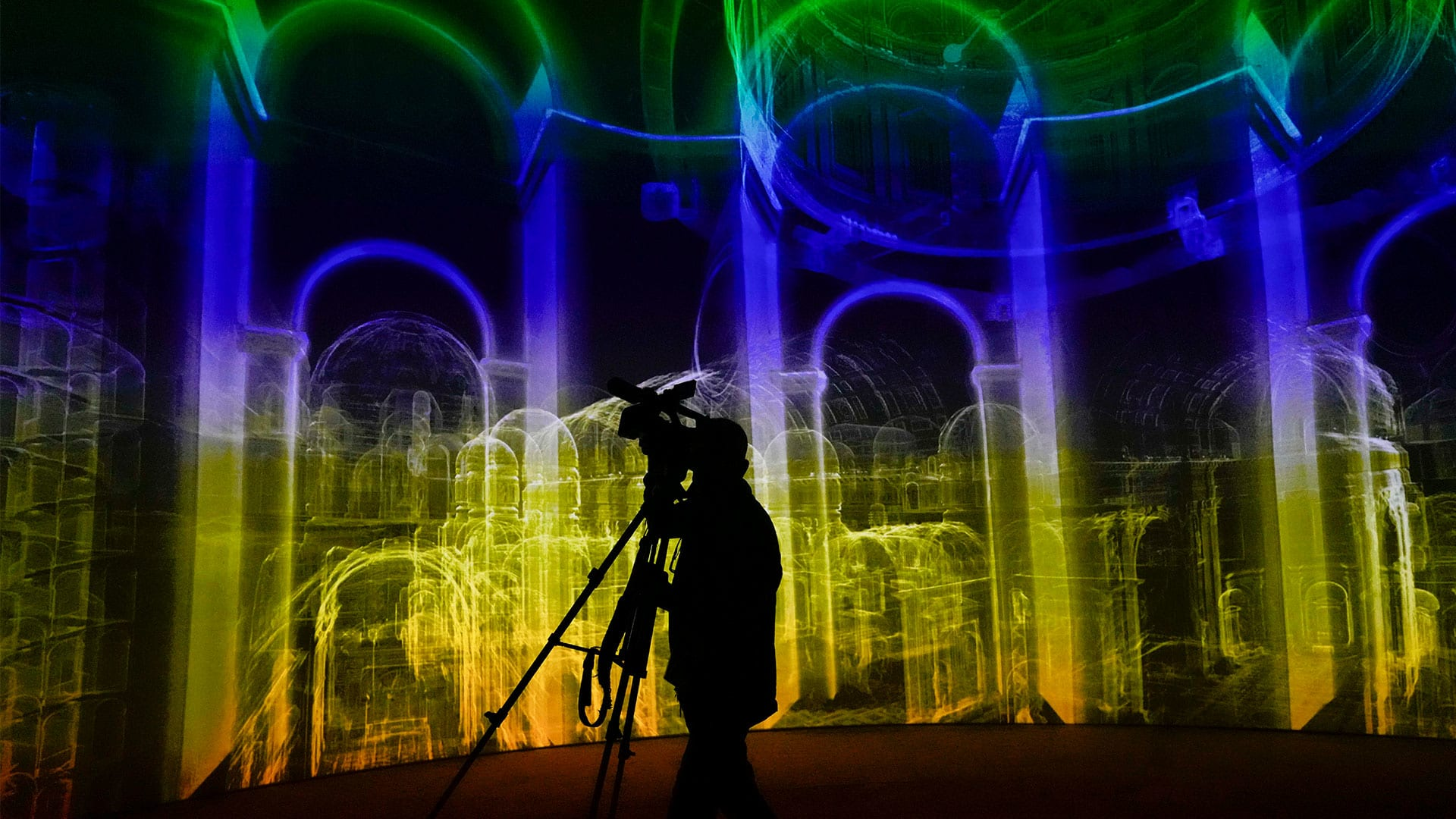
A groundbreaking digital twin of St. Peter’s Basilica has been launched through a collaboration between the Vatican and Microsoft. This project utilizes artificial intelligence and advanced technology to create an interactive experience for both physical and virtual visitors. By using 400,000 high-resolution images captured over four weeks, the digital replica aims to enhance visitor management and identify conservation issues within the basilica. This initiative is particularly timely as it prepares for the expected influx of over 30 million pilgrims during the Vatican’s 2025 Jubilee.
Key Features and Innovations
- The digital platform allows visitors to reserve entry times, reducing long wait times.
- The 3D replica incorporates 22 petabytes of data, revealing structural damage and deterioration that are not visible to the naked eye.
- The project emphasizes ethical AI use, aligning with Pope Francis’ call for compassion and morality in technology.
- Microsoft has previously undertaken similar AI projects in historical sites like Mont Saint-Michel and Ancient Olympia.
Importance of the Initiative
This project represents a significant step in merging technology with cultural heritage. It not only preserves the historical integrity of St. Peter’s Basilica but also makes it accessible to a global audience. By leveraging AI, the Vatican can ensure better management of visitor flows and conservation efforts. This initiative highlights the potential for technology to support faith and heritage, making ancient sites more engaging and sustainable for future generations.