
Understanding the Landscape of AI Hardware and Geopolitics
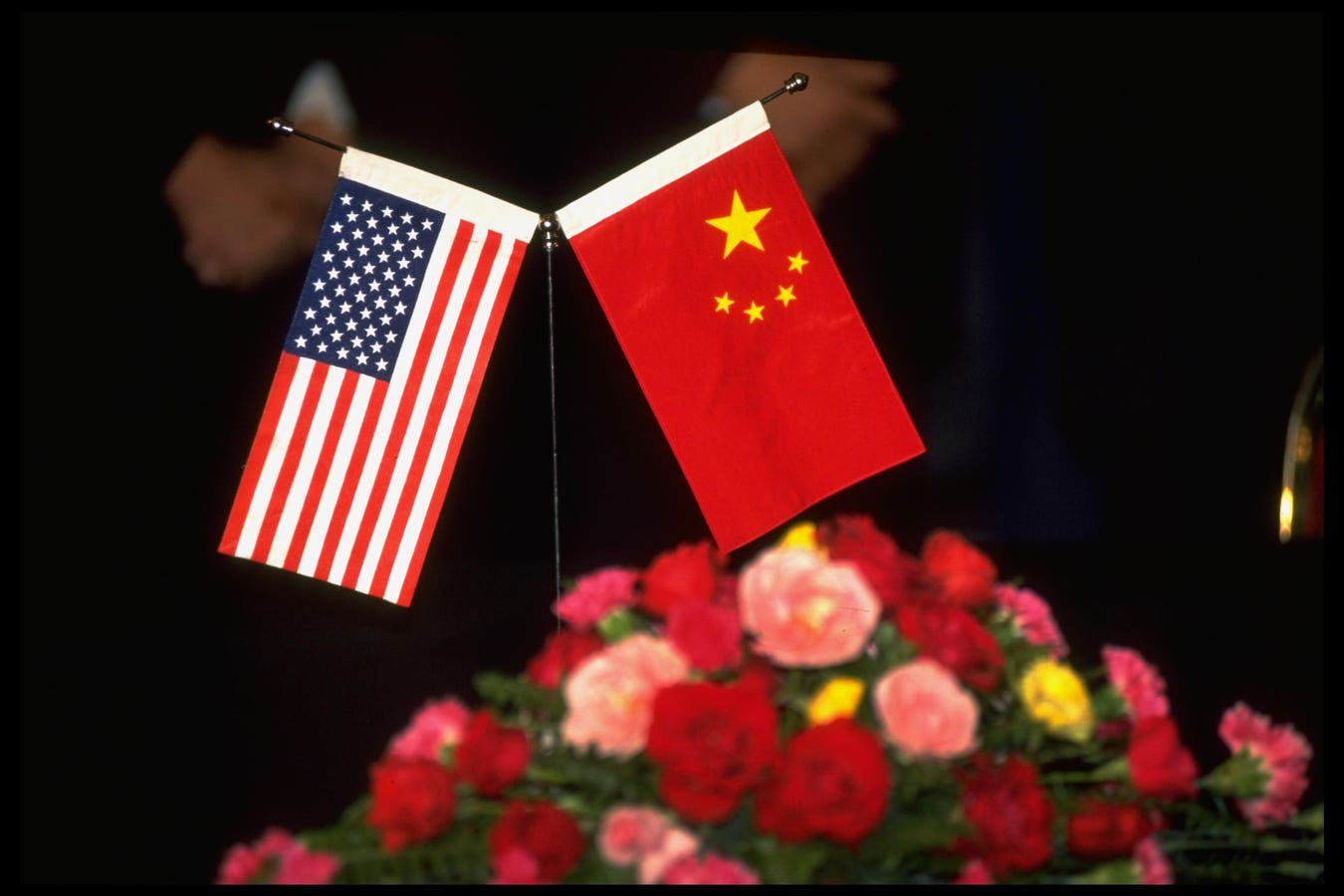
The intersection of artificial intelligence (AI) hardware and geopolitical tensions between the U.S. and China is becoming increasingly significant. As both superpowers vie for dominance in AI innovation, recent developments highlight the complexities of trade policies and their implications for the tech industry. The Chinese government is reportedly pursuing an antitrust suit against Nvidia, focusing on its acquisition of Mellanox, which may have ramifications for U.S.-China relations in the tech sector. This situation reflects a broader narrative of how trade restrictions and national interests are influencing the AI hardware market.
Key Points to Consider
- The U.S. has implemented strict chip sanctions against China, impacting companies like Huawei and limiting exports to over 140 Chinese firms.
- China is retaliating by restricting the export of rare earth minerals, crucial for technology manufacturing, which it dominates globally.
- Nvidia, a key player in AI hardware, is navigating complex relationships with both U.S. and Chinese customers, including ByteDance, which is investing heavily in AI.
- The launch of Nvidia’s new Blackwell chip architecture is pivotal, as it aims to solidify the company’s leadership in AI while also catering to the Chinese market.
The Bigger Picture: A New Era of AI Competition
The ongoing trade disputes and protectionist measures between the U.S. and China are reshaping the AI landscape. As both nations strengthen their positions in the tech sector, the future of AI hardware development may hinge on these geopolitical dynamics. The competition for technological supremacy is not just about innovation; it’s also about national security and economic strategy. Understanding these factors is crucial for stakeholders in the tech industry, as they navigate an increasingly fragmented market influenced by global power struggles.





