
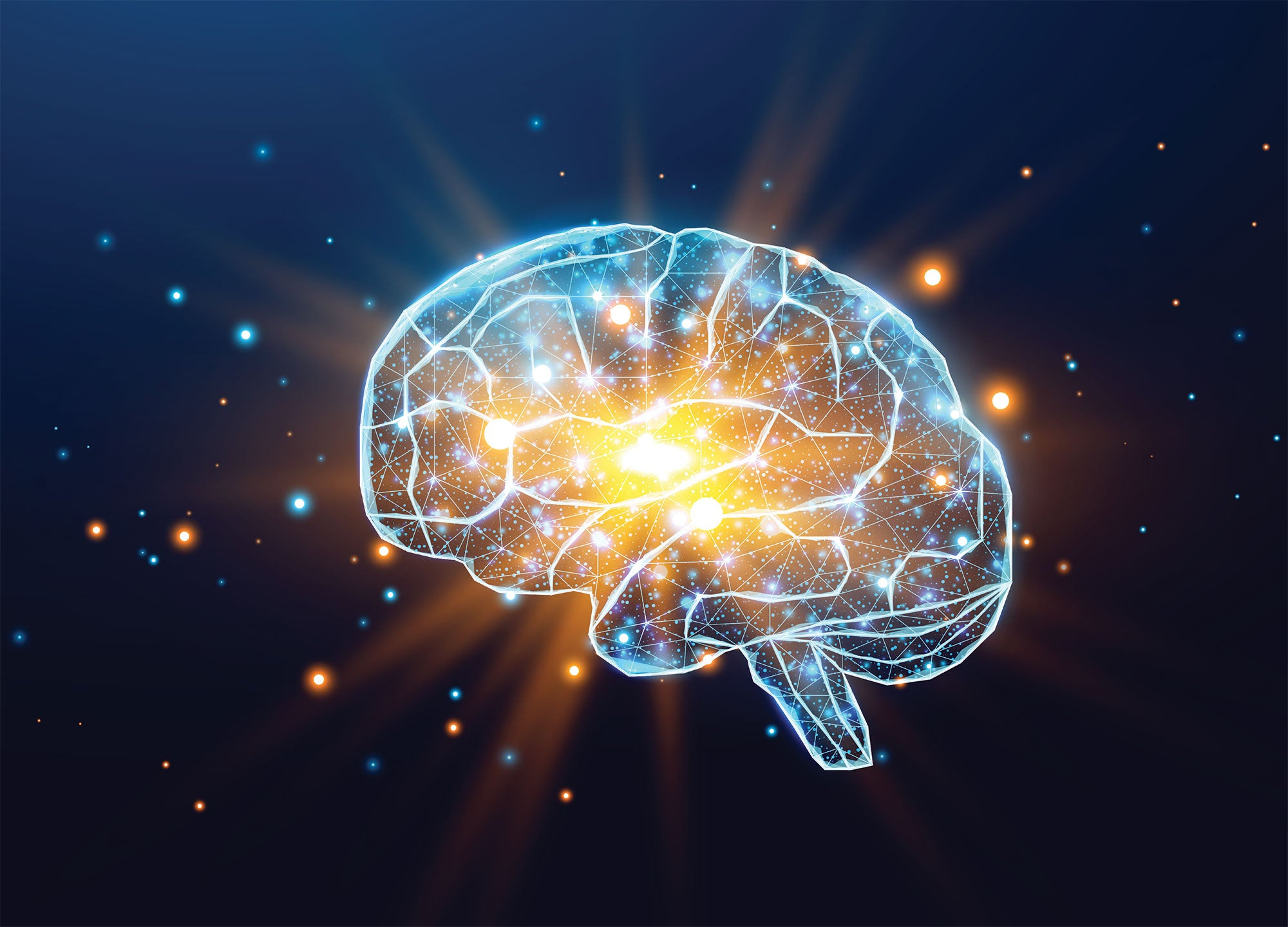
Understanding the Intersection of Neuroscience and AI
Research into brain functions, particularly in decision-making processes, is paving the way for advancements in artificial intelligence. By studying how the thalamus and prefrontal cortex interact during various tasks in animals, scientists are developing models that could inform AI systems. Recent studies have shown that these brain regions help manage conflicting sensory inputs and make hierarchical decisions, which are crucial in both human behavior and potential AI applications.
Key Insights from Recent Research
- The mouse thalamus can manage conflicting sensory information, influencing decision-making dynamics.
- Tree shrews can differentiate between their own errors and actual environmental changes, showcasing the thalamus’s role in tracking uncertainty.
- Human decision-making often involves context and hierarchical thinking, which AI struggles to replicate effectively.
- Current AI models tend to overwrite previous learning when faced with new tasks, unlike the human brain, which can multitask efficiently.
The Broader Implications for AI and Psychiatry
Understanding these brain processes can significantly enhance AI’s capabilities, particularly in mental health. AI models inspired by neural circuitry could lead to better insights into complex psychiatric disorders like schizophrenia. They could help identify dysfunctional pathways and improve diagnosis accuracy. Furthermore, these models could be used to track treatment responses in real time, enabling personalized and adaptive treatment plans for patients. This research not only advances AI technology but also has the potential to transform psychiatric care.





