Understanding the Transformation
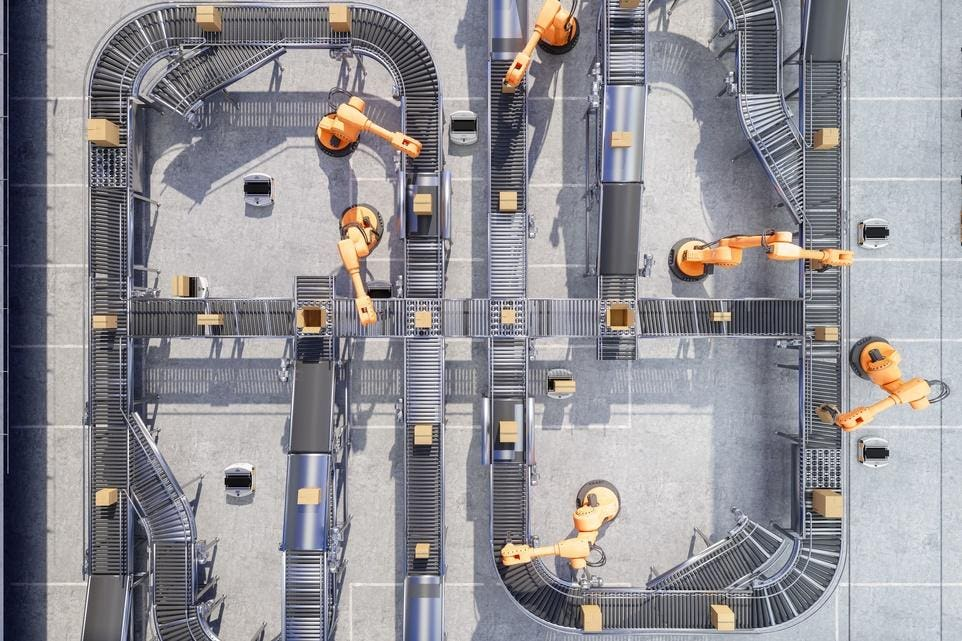
AI is reshaping the manufacturing landscape by enhancing processes and driving innovation. It combines traditional automation with intelligent systems, making production lines more efficient and adaptable. This transformation helps address labor shortages and material availability, boosting local economies where manufacturing is vital.
Key Highlights
- AI-powered robots, or “cobots,” work alongside humans, automating repetitive tasks safely.
- Computer vision systems detect product defects in real-time, ensuring quality control.
- Predictive maintenance minimizes downtime by anticipating equipment failures, saving costs.
- AI optimizes supply chains by analyzing data to forecast demand and manage inventory effectively.
The Bigger Picture
The integration of AI in manufacturing is essential for achieving the smart factory vision. This interconnected approach allows for real-time data collection, enhancing decision-making and operational efficiency. As factories become more automated, they can operate with minimal human intervention, leading to cost reductions and improved production reliability. Ultimately, AI’s role in manufacturing not only drives technological advancement but also strengthens local economies and prepares the industry for future challenges.