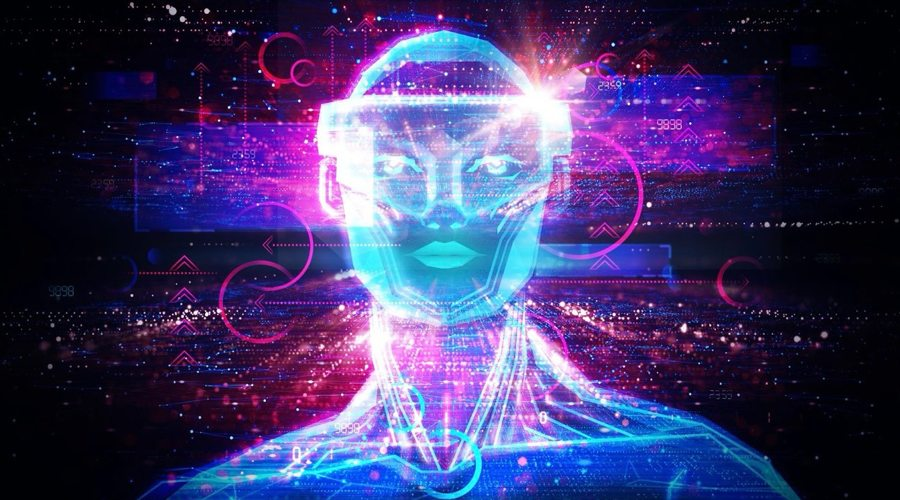
Understanding Human Digital Twins
Human digital twins represent an exciting frontier in technology, combining generative AI with the concept of creating digital replicas of ourselves. These avatars not only mimic our physical features but also our behaviors, thoughts, and health metrics. The goal is to enhance healthcare, simulate treatments, and even preserve our knowledge posthumously. By continuously collecting data through wearables and sensors, these digital twins can adapt and evolve, providing a personalized blueprint for each individual.
Key Highlights
- Digital twins are virtual replicas used for simulations, enhancing decision-making.
- AI and machine learning are crucial for analyzing data and predicting health changes.
- Real-world applications include preserving knowledge in industries like sugar manufacturing.
- Companies like Twin Protocol are focusing on security and monetization of digital twins through blockchain technology.
The Bigger Picture
The emergence of human digital twins holds transformative potential for various sectors, particularly healthcare and education. However, this innovation raises critical questions about privacy, ethics, and security. As this technology develops, it is essential for stakeholders to ensure that the benefits do not come at the cost of individual rights. Balancing innovation with ethical considerations will shape how these digital replicas impact our lives, potentially allowing us to maintain connections with loved ones even after death or enhance our professional capabilities in unprecedented ways.