Understanding the Impact of AI on Youth
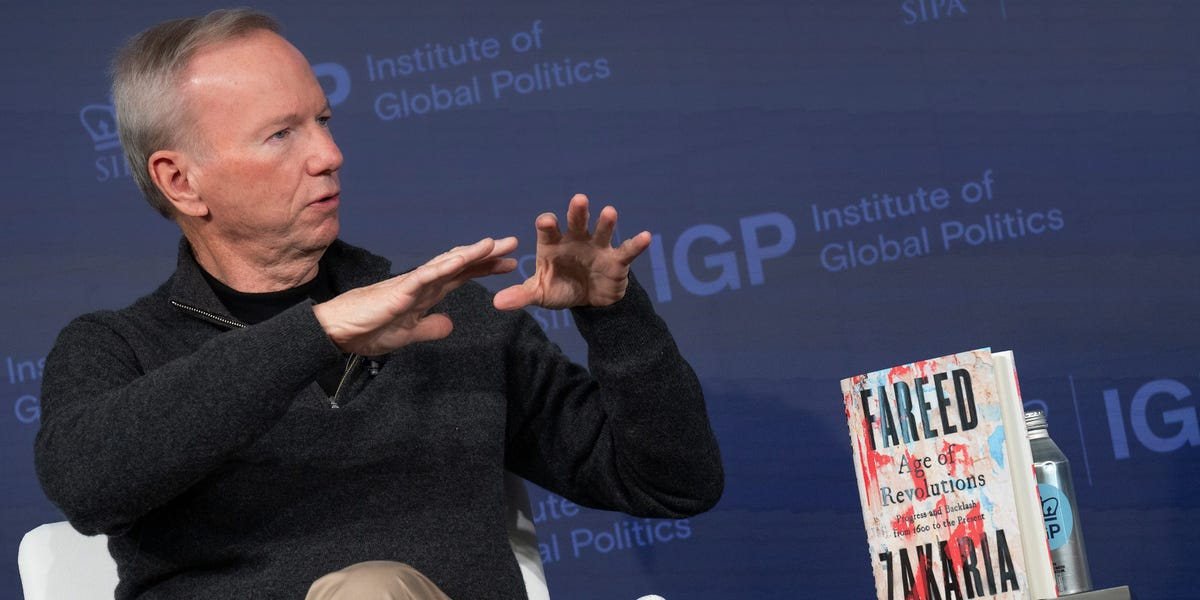
Eric Schmidt, former CEO of Google, recently spoke at Princeton University about the profound influence AI could have on children. He believes that AI will not only change how kids learn but also shape their cultural identity. Schmidt warns that society is not prepared for these changes, as many people and governments lack the necessary understanding and guidelines for AI’s integration into daily life. He emphasizes the need for global tech leaders to establish safety standards for AI to mitigate potential risks.
Key Insights from Schmidt’s Talk
- Schmidt predicts that a child’s best friend could be an AI, raising questions about the influence of such relationships on their development.
- He highlights the importance of creating rules around AI’s role in shaping children’s learning and cultural values.
- The former Google CEO warns of the dangers of state-sponsored AI, which could manipulate children’s identities and beliefs.
- He reflects on the unintended consequences of technology, citing social media’s impact on democracy as a cautionary tale for AI.
The Broader Implications for Society
Schmidt’s insights prompt critical questions about the future of education and cultural development in an AI-driven world. As AI becomes more integrated into children’s lives, it is crucial to consider its ethical implications. Establishing safety standards will be vital to ensure that AI supports positive growth rather than undermining democratic values or cultural diversity. As society navigates this transition, discussions about AI’s role in shaping identities will become increasingly important.