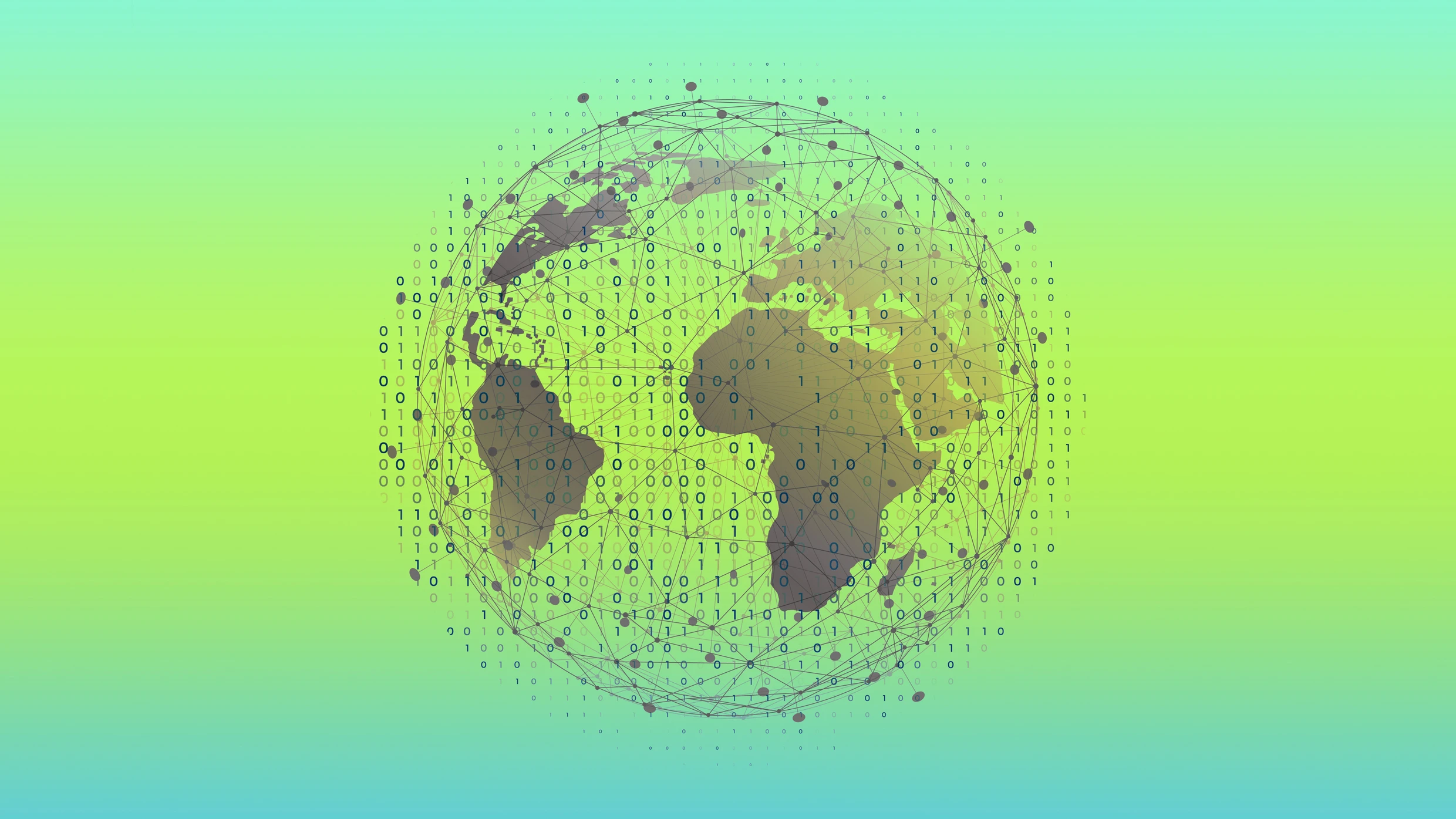
Understanding AI in Developing Nations
The intersection of artificial intelligence (AI) and developing countries presents unique challenges. This involves recognizing the role of AI in solving significant problems through statistical methods, pattern recognition, and hypothesis generation. In many developing nations, the public sector plays a crucial role but often lacks accountability and coordination, leading to higher corruption levels. This fragmented environment complicates efforts to utilize AI effectively.
Key Insights
- Data is often locked within organizations, making acquisition difficult.
- Many industry associations and companies struggle with disorganized or incomplete data.
- International firms in developing countries face challenges due to a lack of coordination among subsidiaries.
- The journey involves convincing stakeholders to share and utilize data for collective benefits, which can be counter to their personal interests.
The Bigger Picture
Addressing these challenges is essential for harnessing AI’s potential in developing countries. By successfully gathering and validating data, and applying AI tools, organizations can uncover hidden issues and propose innovative solutions. The emphasis on soft skills becomes crucial as these tools are implemented. The hope lies in community cooperation and modern computational models, which can lead to transformative outcomes in sectors like agriculture. Ultimately, the effective use of AI in these regions could significantly improve public welfare and drive sustainable development.