Transforming Beauty with AI
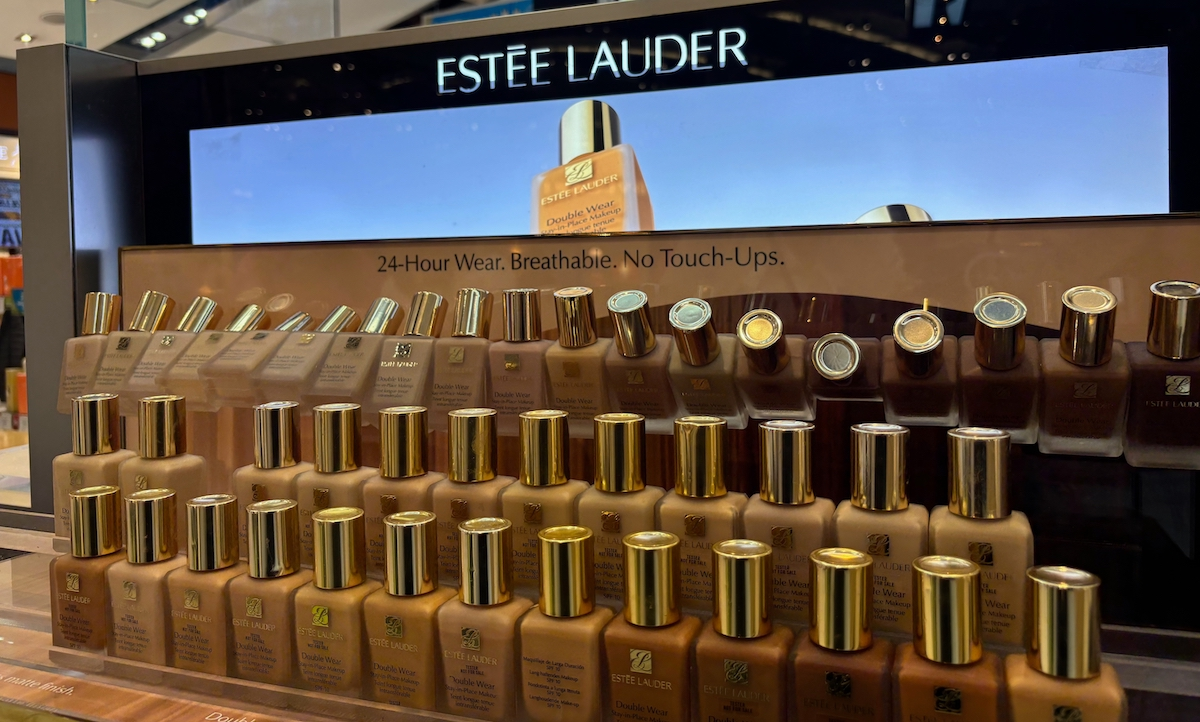
The beauty industry is rapidly adopting artificial intelligence to enhance product development and marketing strategies. Companies are focusing on personalization and convenience to better serve consumers. Estée Lauder Companies has taken a significant step by partnering with OpenAI to create 240 AI applications aimed at analyzing consumer data and improving product offerings. This initiative allows for faster research and development processes, enabling the company to respond quickly to market demands.
Key Developments in AI Usage
- Estée Lauder has developed tools for fragrance analysis and clinical trial evaluations, drastically reducing research time from hours to minutes.
- L’Oréal’s Modiface offers virtual makeup trials, while Sephora’s Virtual Artist uses facial recognition for foundation matching.
- Olay’s Skin Advisor recommends personalized skincare routines based on user selfies, showcasing AI’s role in tailored beauty solutions.
- Retailers like Ulta Beauty are deploying AI for personalized product recommendations, enhancing the shopping experience.
The Bigger Picture
The integration of AI in beauty is not just a trend; it signifies a shift towards data-driven decision-making that enhances consumer engagement. By leveraging AI, beauty brands can analyze consumer behavior, predict market trends, and develop effective marketing strategies. This transformation enables companies to remain competitive in a fast-evolving market, ultimately leading to better customer satisfaction and loyalty. As AI technology continues to advance, its potential impact on the beauty industry will likely grow, driving further innovation and efficiency.