Understanding the Shift
A major transformation is underway in the workplace due to artificial intelligence. As companies push for a return to office (RTO) policies, AI is changing how tasks are performed. By automating repetitive jobs like data entry and customer support, AI allows employees to focus on more meaningful activities. However, this shift raises questions about job security, particularly for remote workers. The rise of AI tools can make some roles redundant, while others may find new opportunities for collaboration.
Key Insights
- Companies like Amazon and Dell are enforcing RTO policies, affecting white-collar jobs.
- AI tools such as ChatGPT and Google’s Gemini are taking over routine tasks, increasing efficiency.
- Remote workers may feel threatened as AI enhances productivity but also leads to job cuts.
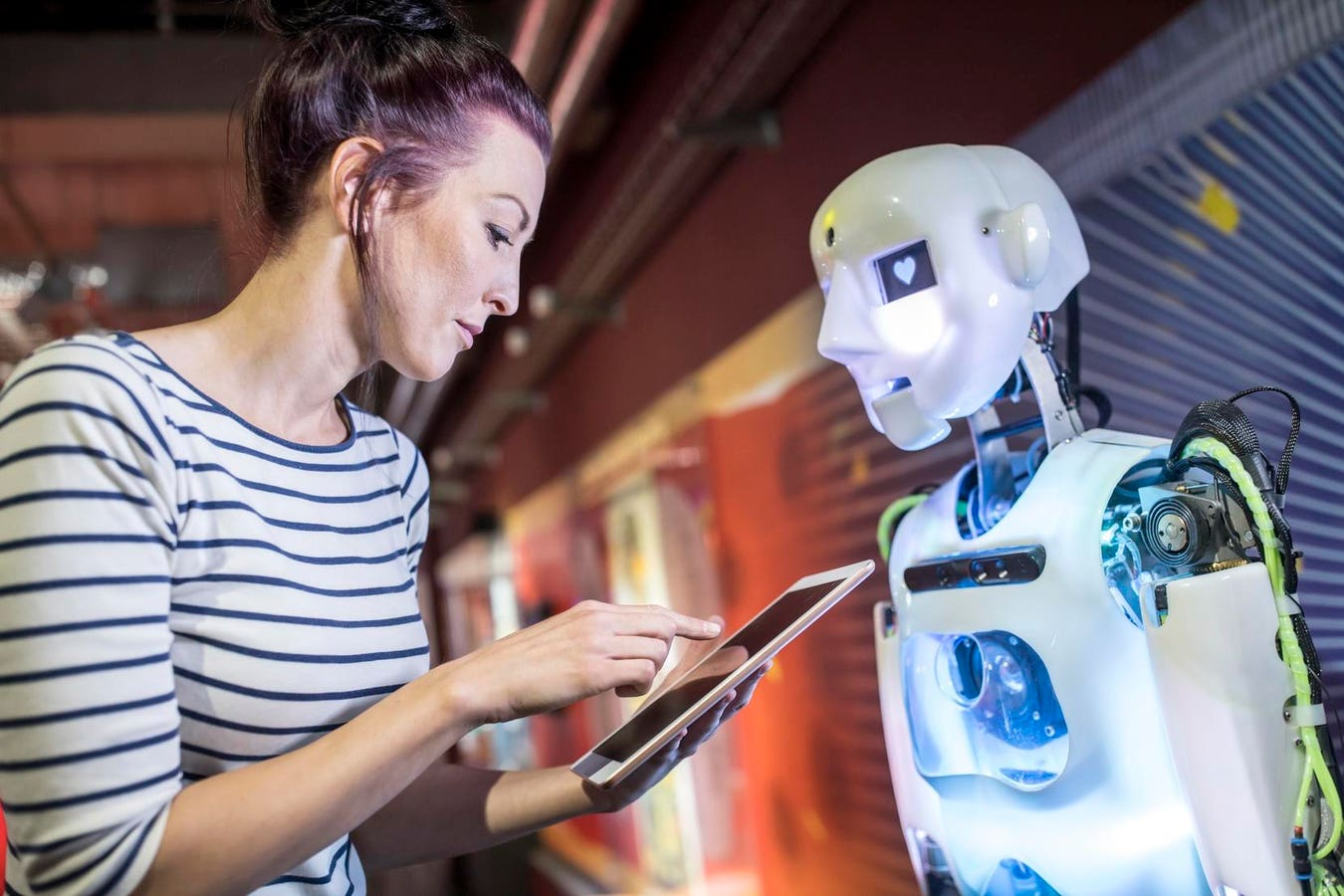
- Human collaboration remains crucial for creativity, emotional intelligence, and complex decision-making.
The Bigger Picture
The integration of AI in the workplace highlights the need for human interaction. While AI can enhance productivity, it cannot replace the critical human elements of creativity and emotional intelligence. Companies are recognizing that in-person collaboration fosters innovation and problem-solving. As the workplace evolves, understanding how to adapt to these changes is essential for career longevity. Embracing both AI and human collaboration will be vital in navigating the new work landscape.