Understanding the Dual Nature of AI
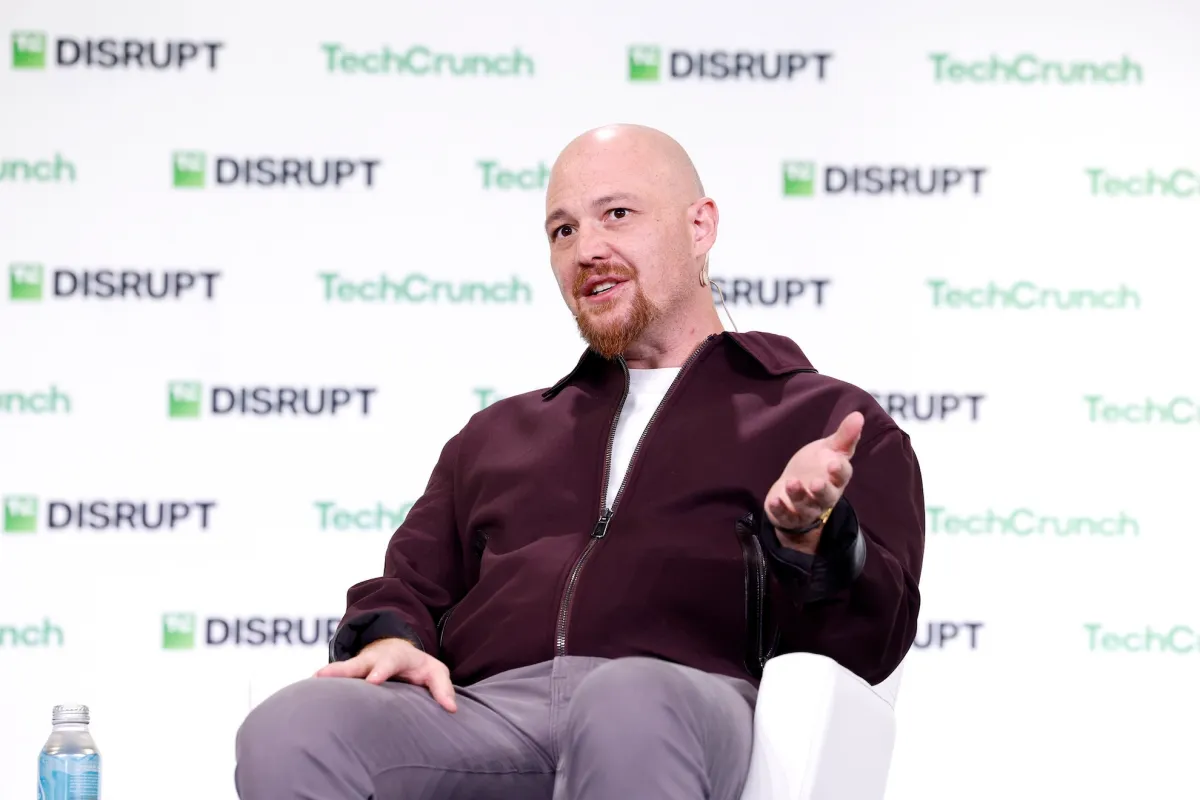
Eric Schmidt, former CEO of Google, recently shared insights on the transformative potential and risks of artificial intelligence during a podcast. While AI has the ability to enhance various sectors like healthcare, education, and filmmaking, it also poses significant threats if misused. Schmidt emphasizes that although current AI systems cannot create harmful biological pathogens, there is a growing concern about their future capabilities. Experts are actively working to prevent AI from becoming a tool for biological warfare.
Key Points to Note
- Schmidt warns that AI could lead to the creation of dangerous biological agents in the future.
- The technology may enable widespread cyberattacks that could destabilize national financial systems.
- Dictators could exploit AI to consolidate power, raising ethical concerns about its use.
- Concerns about implicit bias and toxic content in complex AI systems are being voiced by experts like Sahil Agarwal.
The Larger Implications
The dialogue surrounding AI’s risks is crucial as its influence expands. As society becomes increasingly dependent on AI, understanding its potential for harm is vital. The conversation highlights the need for robust regulations and ethical guidelines to ensure that AI is developed and used responsibly. Engaging with these issues now can help mitigate future dangers, preserving the benefits of AI while protecting humanity from its possible misuse.