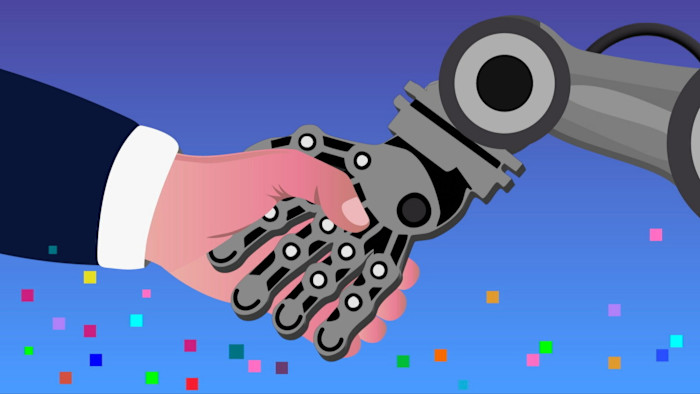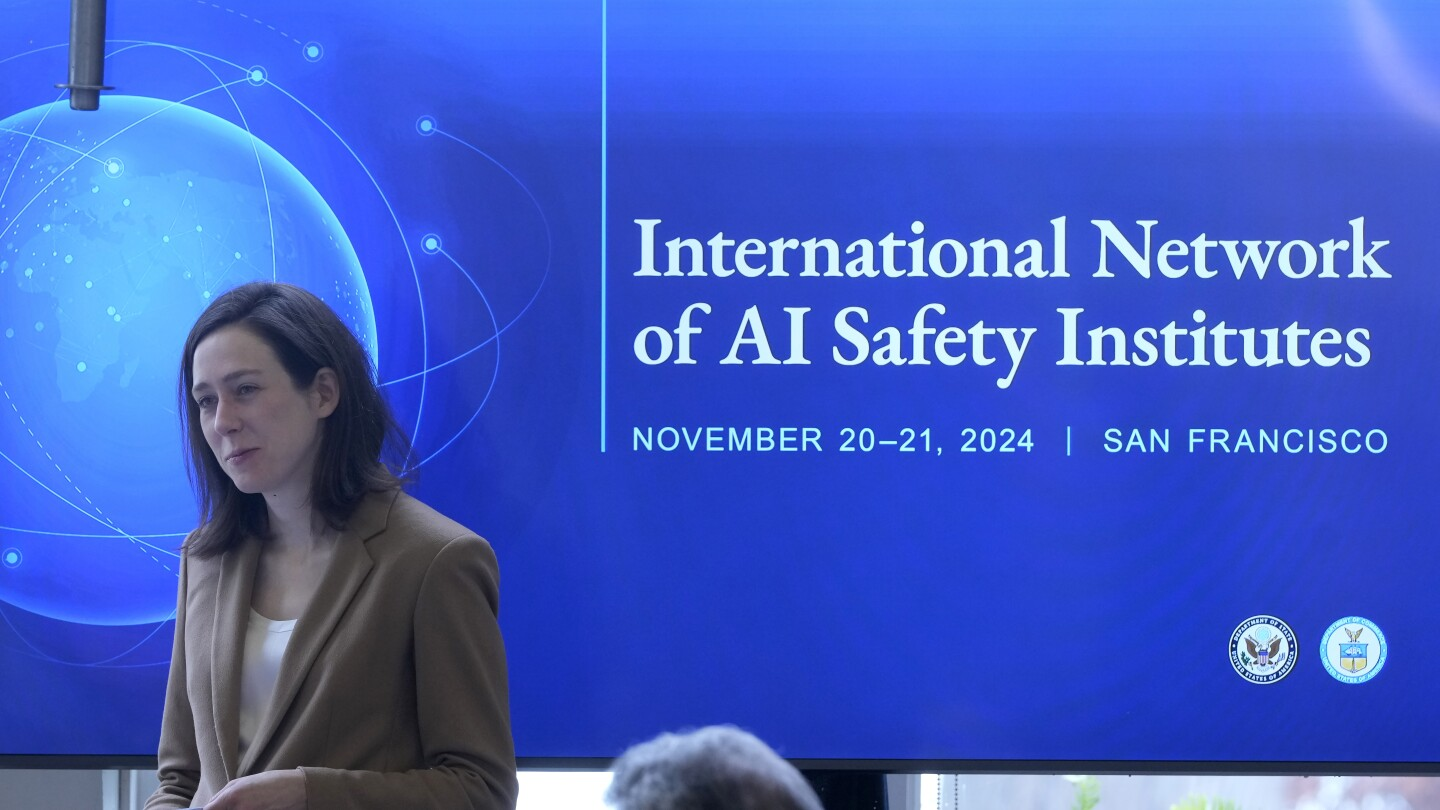
The landscape of artificial intelligence (AI) regulation is on the verge of significant change as the federal government shifts its focus from implementing safeguards to reducing bureaucratic hurdles. This transition comes as President-elect Donald Trump prepares to take office, promising to dismantle existing AI regulations put forth by President Joe Biden. While some investors see this as an opportunity for growth, concerns arise about the potential loss of protections against harmful uses of AI, particularly in political contexts.
- Trump has pledged to revoke Biden’s AI executive order, which aimed to balance innovation with public safety.
- The Republican-controlled Congress may prioritize national security and economic benefits over regulations that could limit free speech or innovation.
- Bipartisan interest exists in addressing specific AI issues, but there is uncertainty about the scope of federal intervention in AI development.
- Concerns linger about the use of AI in elections, particularly regarding deepfakes and misinformation, which could undermine public trust in the electoral process.
The implications of these developments are significant. With a lack of clear regulations, the potential for misuse of AI technologies, especially in political campaigns, poses risks to democracy and public safety. Advocates for AI safety stress the need for guidelines that can foster innovation while ensuring ethical use. As the landscape evolves, the balance between innovation and regulation will be crucial in shaping the future of AI and its role in society.