
Understanding the Generative AI Gender Gap
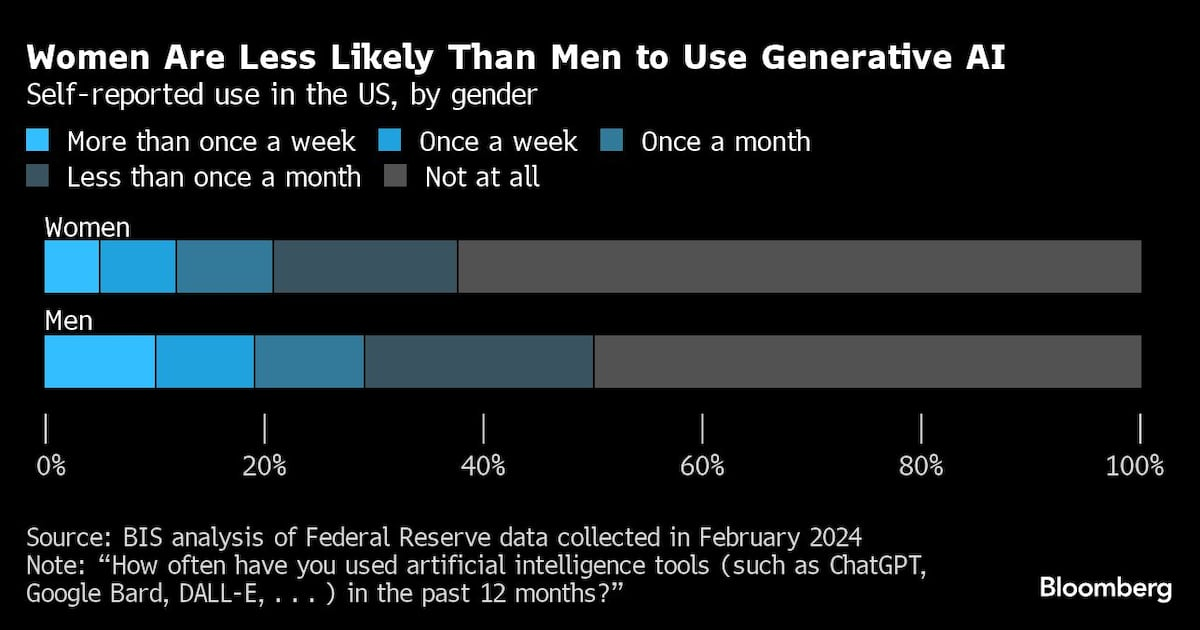
Generative AI is changing the workforce, yet a notable gender divide exists in its adoption. Recent observations reveal that men are more likely to use generative AI tools than women. Conversations with various individuals show a spectrum of opinions, with many women expressing fear or reluctance to engage with this technology. This raises concerns about a potential widening of the gender pay gap as generative AI becomes more integrated into work processes.
Key Insights
- A study shows that 50% of men have used generative AI in the past year, compared to only 37% of women.
- Women often cite lower self-reported knowledge and higher distrust in technology as reasons for their hesitance.
- Occupations most at risk from generative AI automation are predominantly held by women, such as administrative roles.
- Despite the current gap, recent reports indicate that women’s use of generative AI is increasing rapidly, potentially leading to a reversal of the trend.
The Importance of Bridging the Gap
Addressing this gender gap is crucial for economic equity. As generative AI boosts productivity, those who do not engage with it risk falling behind in the job market. Empowering women through digital literacy and confidence-building initiatives is essential. The future of work will increasingly rely on technology, and ensuring women are equipped to participate fully will benefit not only individuals but the economy as a whole. The growing interest from women in enhancing their AI skills is a positive sign, suggesting that change may be on the horizon.





