
Overview of the Measures
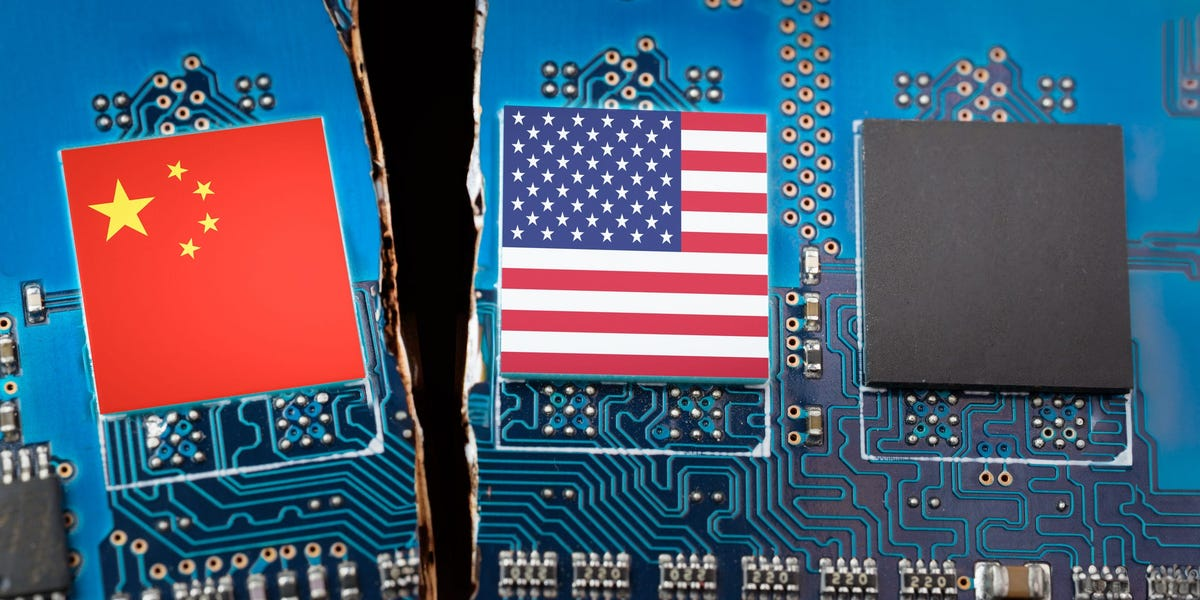
The US has implemented new export controls aimed at China’s semiconductor industry, focusing on 140 companies. This move is part of a broader strategy to limit China’s advancements in artificial intelligence and defense technology, driven by national security worries. The restrictions are the third round of such actions since October 2022, reflecting ongoing tensions in the tech race between the US and China.
Key Details
- The export controls affect major firms, including Naura Technology Group and Semiconductor Manufacturing International Corp.
- High-bandwidth memory, crucial for AI chip development, is also included in the export ban.
- The Biden administration’s actions align with previous sentiments expressed by Donald Trump, who views China as a significant threat to the US AI sector.
- China has been stockpiling chips from the US, with recent purchases reaching $1.11 billion, indicating its urgency to bolster its tech capabilities.
Significance of the Actions
These export controls are significant in the context of the US-China technological rivalry. By restricting access to advanced chips, the US aims to hinder China’s military modernization efforts that leverage AI. The ongoing sanctions highlight the growing concern over national security and the potential military applications of technology. As both nations continue to vie for supremacy in AI and defense technology, these measures underscore the complexities and challenges in international trade and diplomacy.





