
Overview of AI Advancements in Weather Forecasting
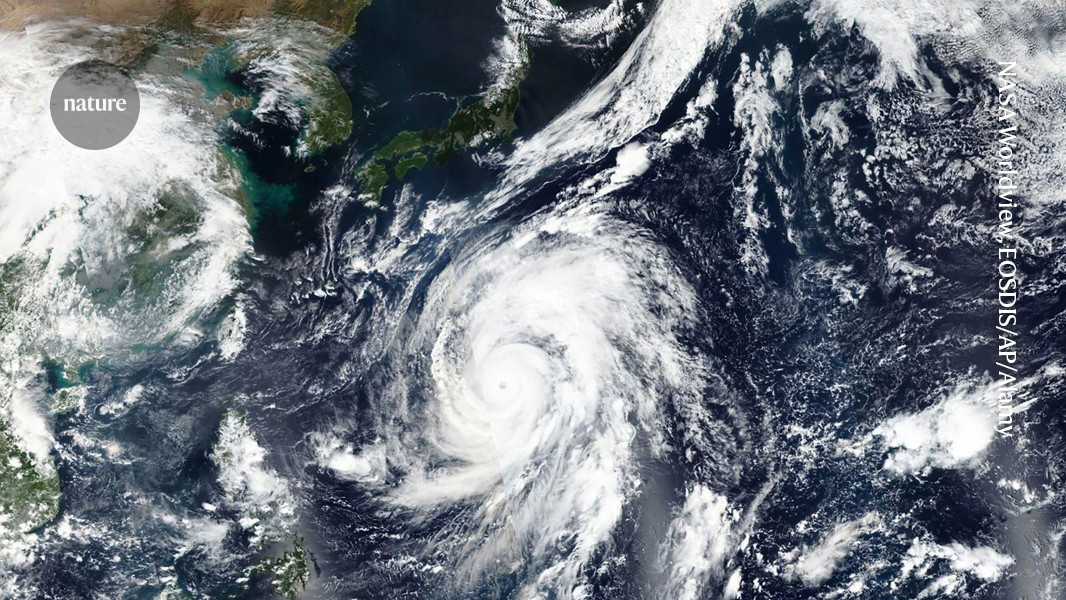
Google DeepMind has introduced a groundbreaking AI model named GenCast, which significantly improves weather prediction accuracy. This model can forecast weather conditions up to 15 days in advance in just minutes, a stark contrast to the hours required by existing systems. GenCast has demonstrated superior performance in predicting extreme weather events, such as hurricanes and heatwaves, compared to the leading European Centre for Medium-Range Weather Forecasts’ ensemble model.
Key Features of GenCast
- GenCast relies solely on historical weather data, allowing it to identify complex relationships between various atmospheric variables.
- The AI model generates ensemble forecasts, providing multiple predictions based on slightly different initial conditions, enhancing reliability.
- It outperformed the ENS model in 97% of evaluated measures, showcasing its effectiveness in forecasting extreme weather events.
- The training data for GenCast spanned from 1979 to 2018, with its predictions for 2019 validated against actual weather outcomes.
Importance of AI in Weather Prediction
The development of GenCast marks a significant shift in weather forecasting methods. With its ability to produce accurate and timely forecasts, this AI system could enhance disaster preparedness and response efforts. As climate change leads to more unpredictable weather patterns, having reliable forecasting tools becomes crucial. The success of GenCast also highlights the potential for AI to revolutionize various fields, including climate science, making it a pivotal advancement in technology and environmental monitoring.





