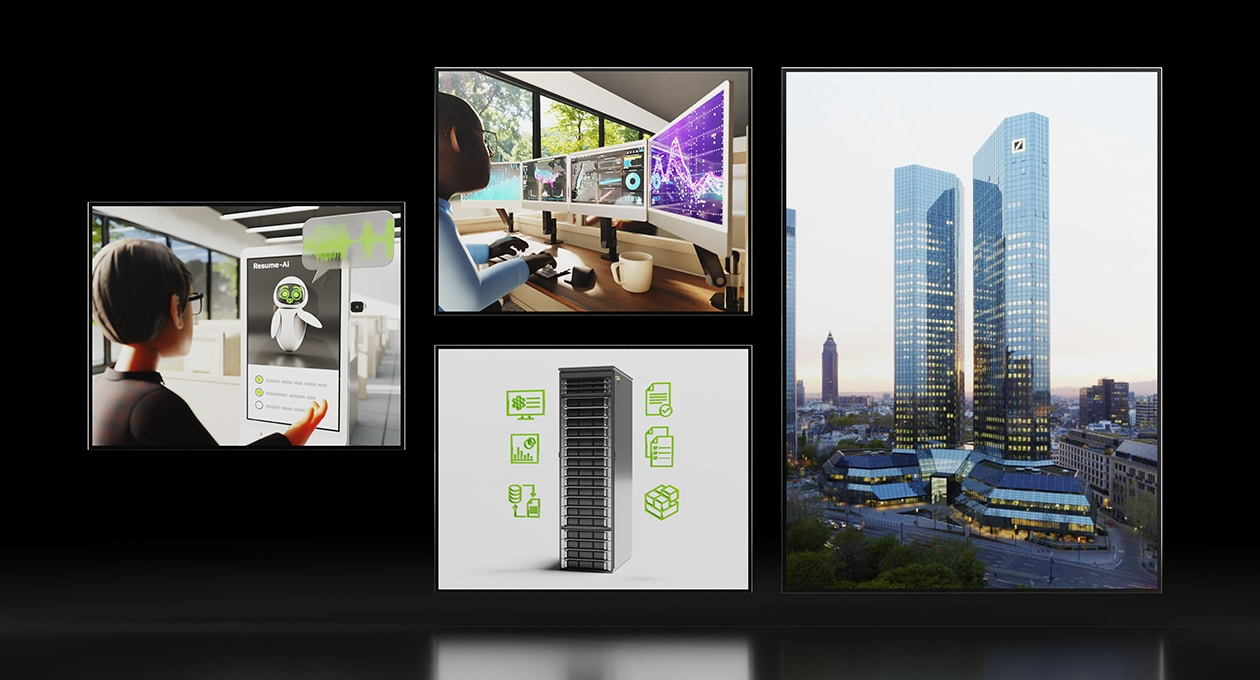
Understanding the AI Revolution
Generative AI has emerged as a transformative force across various sectors, driving innovation and enhancing operations. Businesses are increasingly recognizing the potential of AI to improve customer service, streamline product development, and boost communication. Predictions indicate substantial investment growth in AI solutions, with enterprises expected to spend $307 billion next year, surging to $632 billion by 2028. Despite some companies hesitating to adopt AI, optimism is rising. Many organizations now view their AI initiatives as successful with a return on investment of less than 50%.
Key Insights and Developments
- The rise of agentic AI will demand high-performance inference solutions, revolutionizing how AI models generate complex information.
- Enterprises are expanding AI factories to convert raw data into actionable intelligence, providing a competitive edge through enhanced forecasting and simulations.
- AI’s integration into various industries, including agriculture and education, will optimize operations and personalize experiences for users.
- The emergence of new job roles, such as prompt engineers and AI personality designers, will reshape the workforce landscape, emphasizing analytical skills and natural language processing.
The Bigger Picture: Why It Matters
The rapid advancement of generative AI is not just a technological trend; it represents a fundamental shift in how businesses operate and interact with customers. The convergence of AI and quantum computing promises to tackle complex global challenges, from sustainability to healthcare. As AI becomes more integrated into our daily lives, it will enhance productivity, foster innovation, and create new job opportunities. The future of work will be characterized by collaboration between humans and AI, leading to more efficient processes and improved outcomes across industries.