
Understanding the Shift in Online Shopping
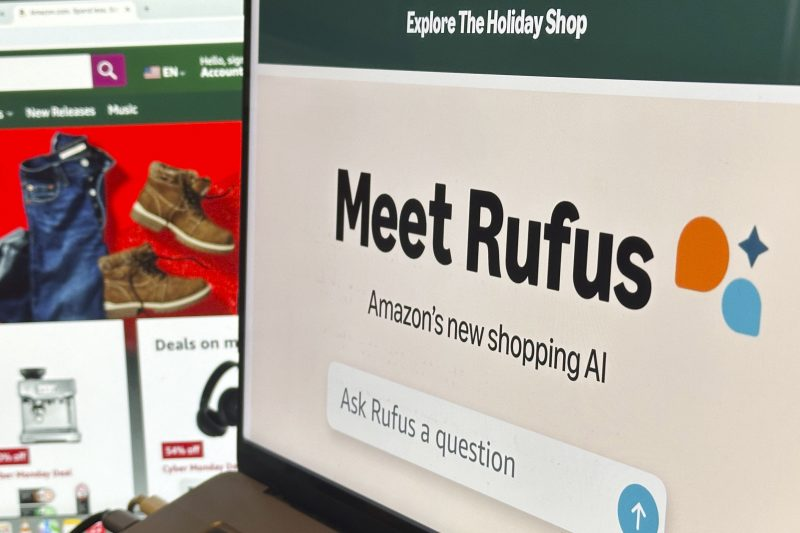
The rise of artificial intelligence chatbots is transforming how consumers shop online, especially during the holiday season. Retailers are now using advanced AI models to create shopping assistants that can provide personalized product recommendations and enhance customer service. These tools allow shoppers to ask natural language questions, making the shopping experience more interactive and engaging. While some retailers like Amazon have developed their own chatbots, others are experimenting with different AI technologies to improve their offerings.
Key Features and Limitations
- Retailers are integrating generative AI chatbots to assist shoppers in finding products.
- Amazon’s Rufus and Shopify’s Shop AI are examples of chatbots that provide tailored recommendations.
- Chatbots can struggle with accuracy, sometimes providing irrelevant suggestions or outdated prices.
- The technology is still developing, with a need for deeper personalization based on customer history and preferences.
The Bigger Picture of AI in Retail
The integration of AI in retail is not just about convenience; it represents a significant shift in consumer behavior and expectations. As shoppers increasingly rely on these digital assistants, the pressure is on retailers to enhance their capabilities. For AI chatbots to truly revolutionize the shopping experience, they must evolve to remember individual customer preferences and adapt to their needs. This evolution could lead to a more efficient and enjoyable shopping process, ultimately changing how people approach gift-giving and online shopping.





