Overview of the Shift
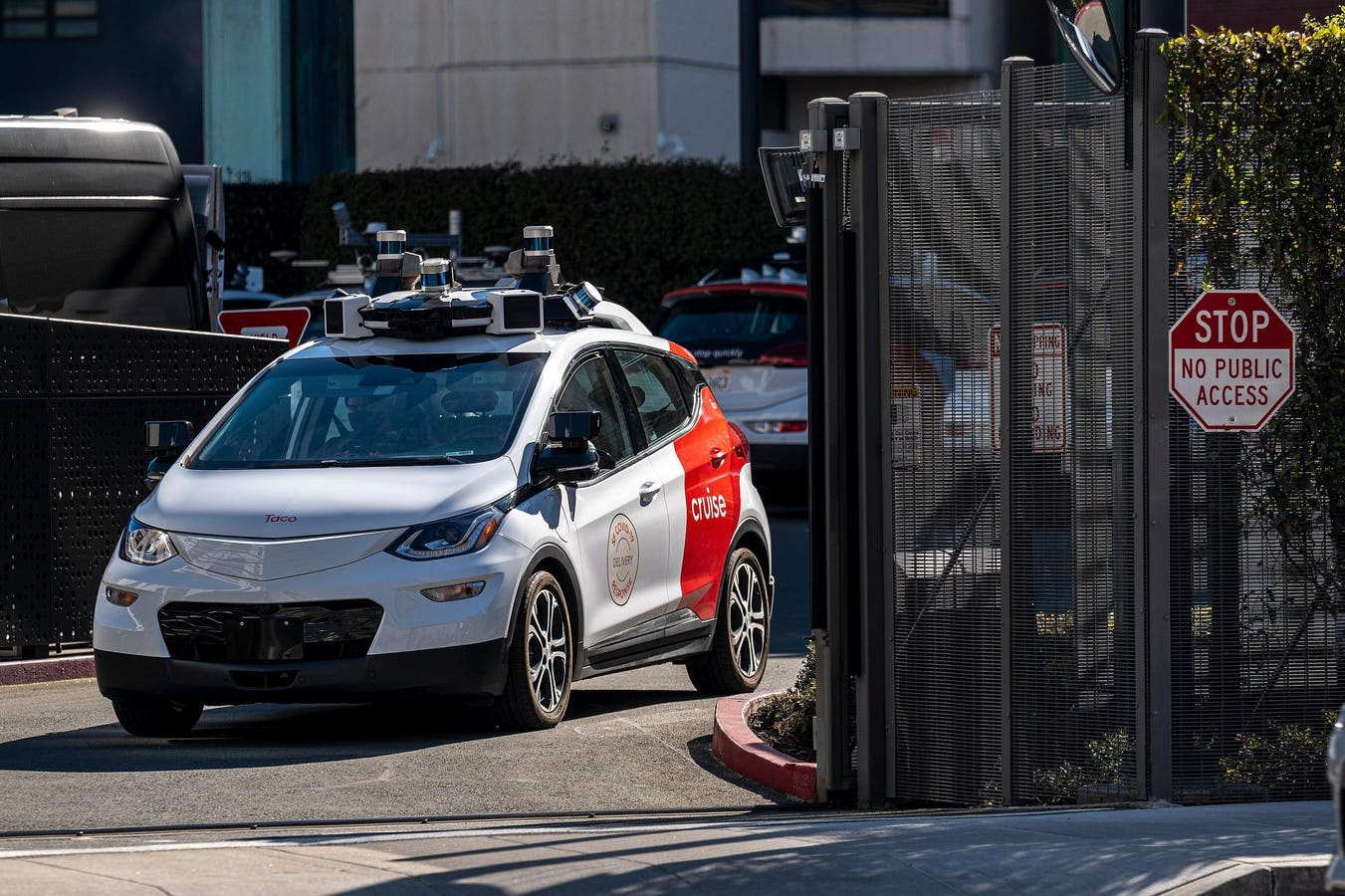
General Motors has decided to discontinue the independent operations of its Cruise robotaxi unit. Instead, GM will integrate Cruise’s efforts with its own in-house development of autonomous driving technologies. This strategic shift comes after years of significant investment, totaling billions of dollars, but GM believes that continuing to fund Cruise’s robotaxi initiative is not viable due to escalating costs and slow progress. The company aims to streamline its focus on driver assistance and autonomous technology to enhance its vehicle offerings.
Key Details
- GM will no longer support Cruise’s robotaxi operations, citing high costs and lengthy timelines.
- The decision follows a serious accident involving a Cruise robotaxi, which raised concerns over safety and brand trust.
- GM plans to save over $1 billion annually by restructuring and combining Cruise with its existing operations.
- Waymo remains a major competitor, successfully operating a large-scale robotaxi service and expanding to new cities.
Significance of the Decision
This move reflects a broader trend in the automotive industry, where companies are reassessing the feasibility of robotaxi services. GM’s decision aligns with similar actions taken by other automakers, indicating a shift towards integrating autonomous technologies directly into their existing vehicle lines. The focus on efficiency and capital allocation is crucial in a rapidly evolving market. As GM pivots, it aims to leverage its extensive manufacturing capabilities and brand strength to remain competitive in the autonomous vehicle landscape.