What’s the Buzz About?
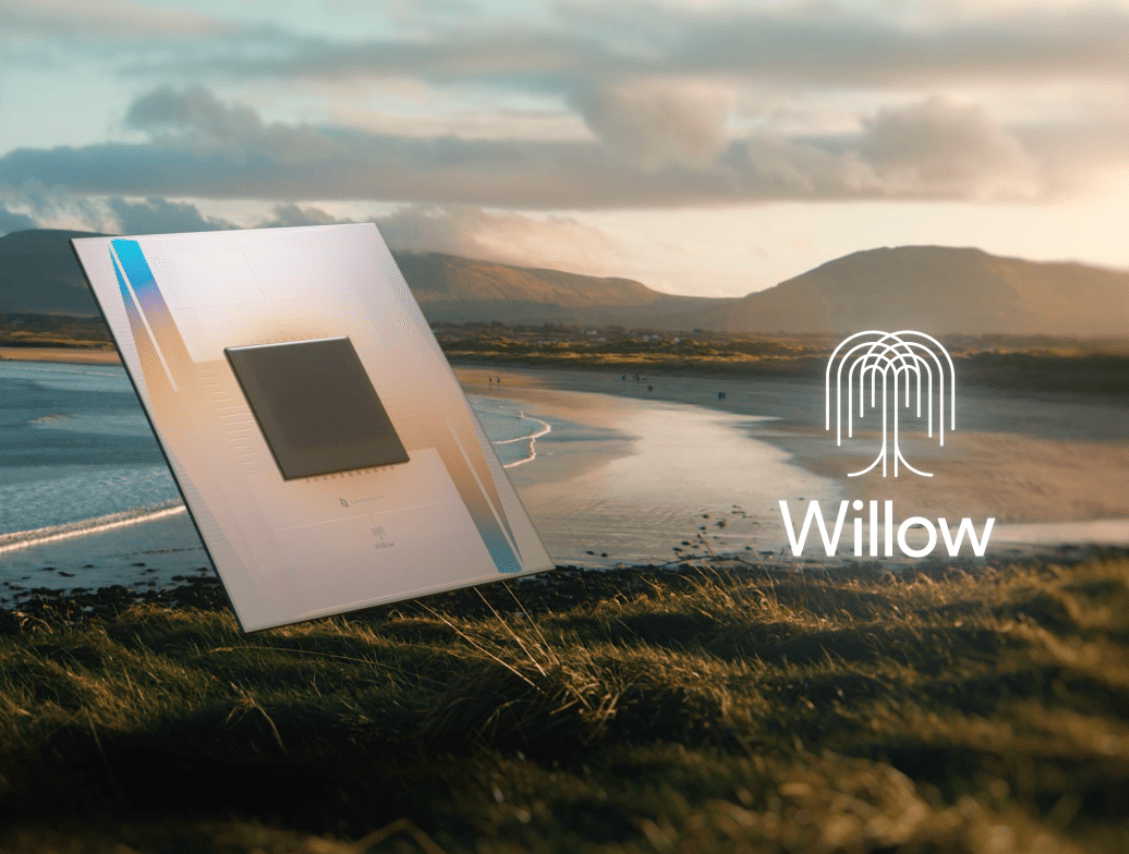
Google has introduced Willow, its newest quantum computing chip, claiming astonishing speed and reliability. The chip’s performance is so impressive that it suggests the existence of parallel universes, according to Google Quantum AI founder Hartmut Neven. This bold assertion has sparked discussions in the tech community about the implications of quantum computing and the multiverse theory.
Key Highlights:
- Willow completed a computation in under five minutes, a task that would take a supercomputer 10 septillion years.
- Neven’s claims suggest that quantum computing may operate across multiple universes, supporting multiverse theories.
- The performance metrics are based on a benchmark created by Google, raising questions about their validity.
- Quantum computers use qubits that can exist in multiple states, allowing them to tackle complex problems beyond the reach of traditional computers.
Why It Matters
The announcement of Willow could redefine our understanding of computation and reality. If quantum computing can indeed harness the potential of multiple universes, it opens up new avenues for scientific research and technology. However, skepticism remains regarding the reliability of quantum systems. Ensuring accuracy and error reduction is crucial for the future of quantum computing. Willow’s development could be a step toward overcoming these challenges, potentially revolutionizing various fields, from cryptography to drug discovery.