
Understanding the Issue
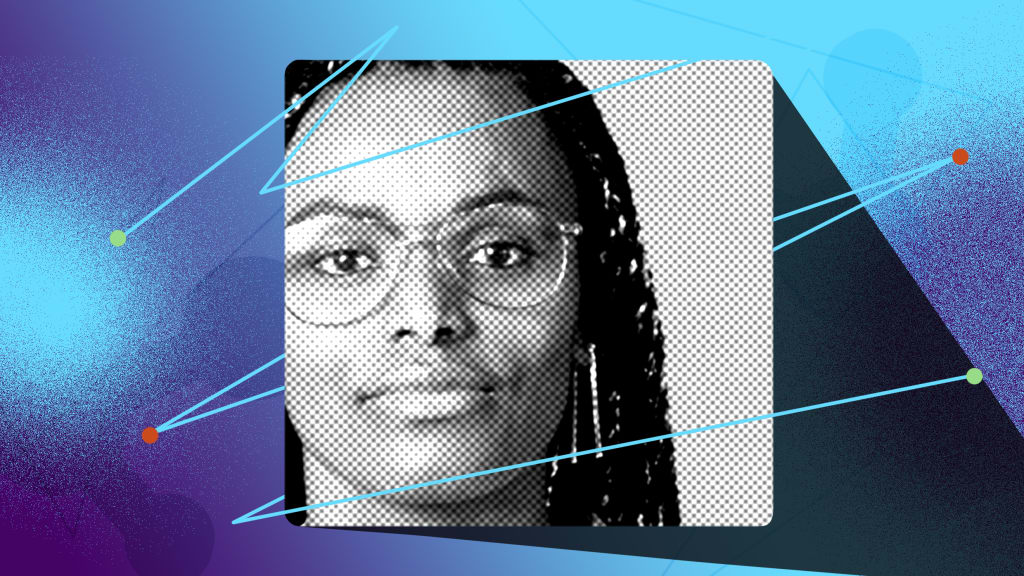
Abeba Birhane, a PhD student in cognitive science, discovered alarming biases in AI training data while examining slurs on Wikipedia. Her research revealed that many derogatory terms were present in a widely used data set, prompting MIT to take it offline. This finding established her as a key figure in auditing data sets that train AI systems. Currently, she leads the AI Accountability Lab, where she continues to investigate the harmful biases embedded in AI models due to their training on unfiltered internet data.
Key Findings
- Birhane’s audits show that larger data sets increase the likelihood of biased AI outputs.
- AI systems have the potential to replicate hate and misogyny from their training data, affecting marginalized groups.
- Historical injustices and stereotypes are often encoded in AI algorithms, leading to real-world consequences.
- Flawed AI systems have already caused harm, such as biased grading for students and wrongful penalties for lower-income families.
The Bigger Picture
Birhane’s work highlights the urgent need for thorough evaluations of AI systems before they are implemented. The consequences of neglecting these evaluations often fall on society’s most vulnerable members. By addressing biases and advocating for accountability in AI development, Birhane aims to create a fairer technological landscape. Her efforts are crucial for ensuring that AI serves all individuals equitably and does not perpetuate existing societal injustices.





