
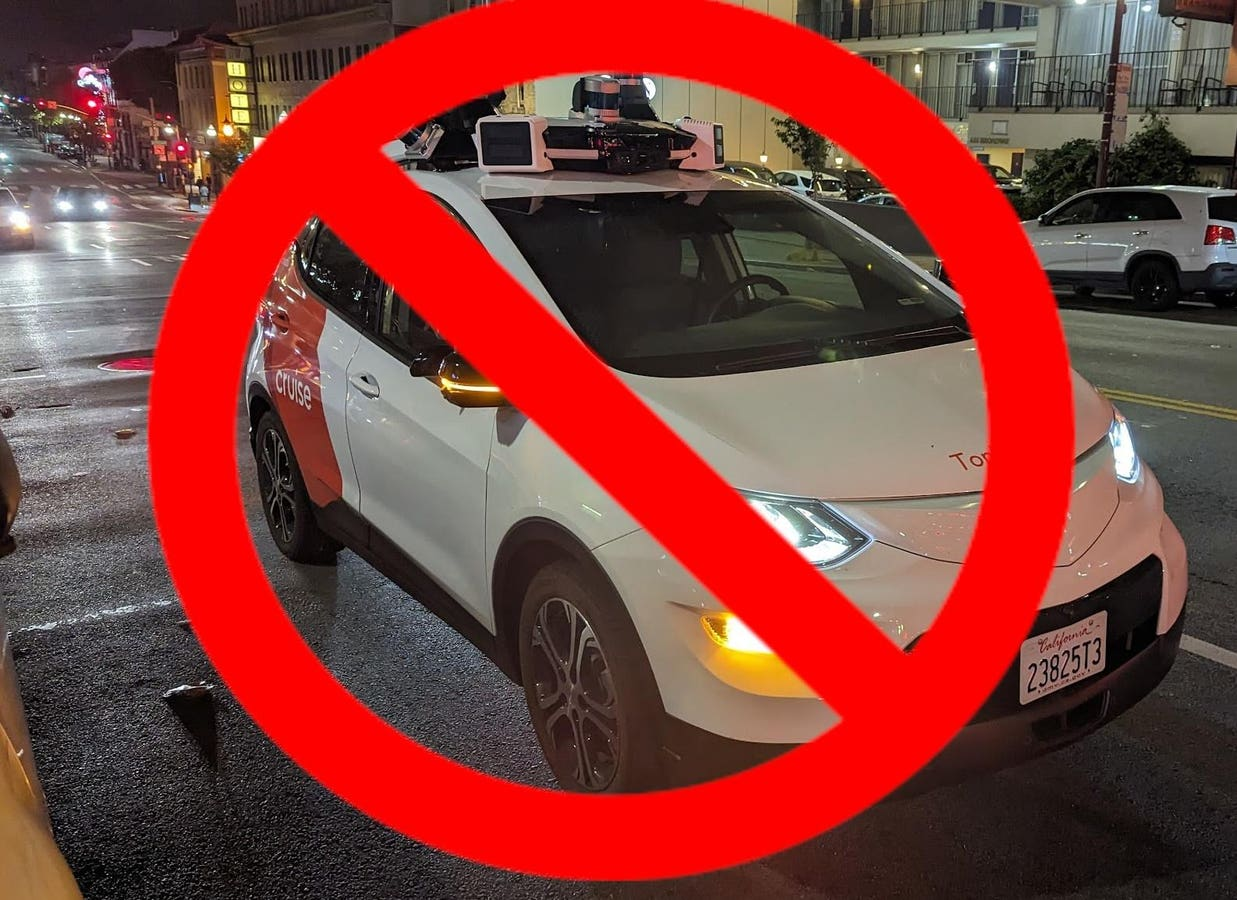
Overview of Cruise’s Shutdown
General Motors has decided to end its Cruise robotaxi project, a significant player in the self-driving vehicle industry. This decision follows a series of setbacks, including the suspension of operations in California after a serious incident. GM will absorb some Cruise employees into other divisions, particularly focusing on in-car technologies. The closure raises questions about the future of self-driving technology and competition in the market.
Key Points
- GM has lost faith in the robotaxi business model despite having a working system.
- Tesla, while having a large customer base for its self-driving technology, lacks a fully operational self-driving system.
- The incident leading to the suspension of Cruise’s operations involved a serious safety issue and a subsequent cover-up attempt.
- The California DMV played a crucial role in shutting down Cruise, citing safety concerns that may have been influenced by the company’s actions.
Implications for the Industry
The closure of Cruise could slow the progress of self-driving technology in the U.S. With one less competitor, companies like Waymo may have less incentive to innovate and expand. This could also open the door for Chinese companies to enter the market more easily. The loss of Cruise’s technology and experience means fewer advancements in road safety, which could have prevented millions of accidents in the future. The situation underscores the delicate balance between regulation and innovation in the rapidly evolving self-driving sector.





