Understanding the Challenges of AI Video Generation
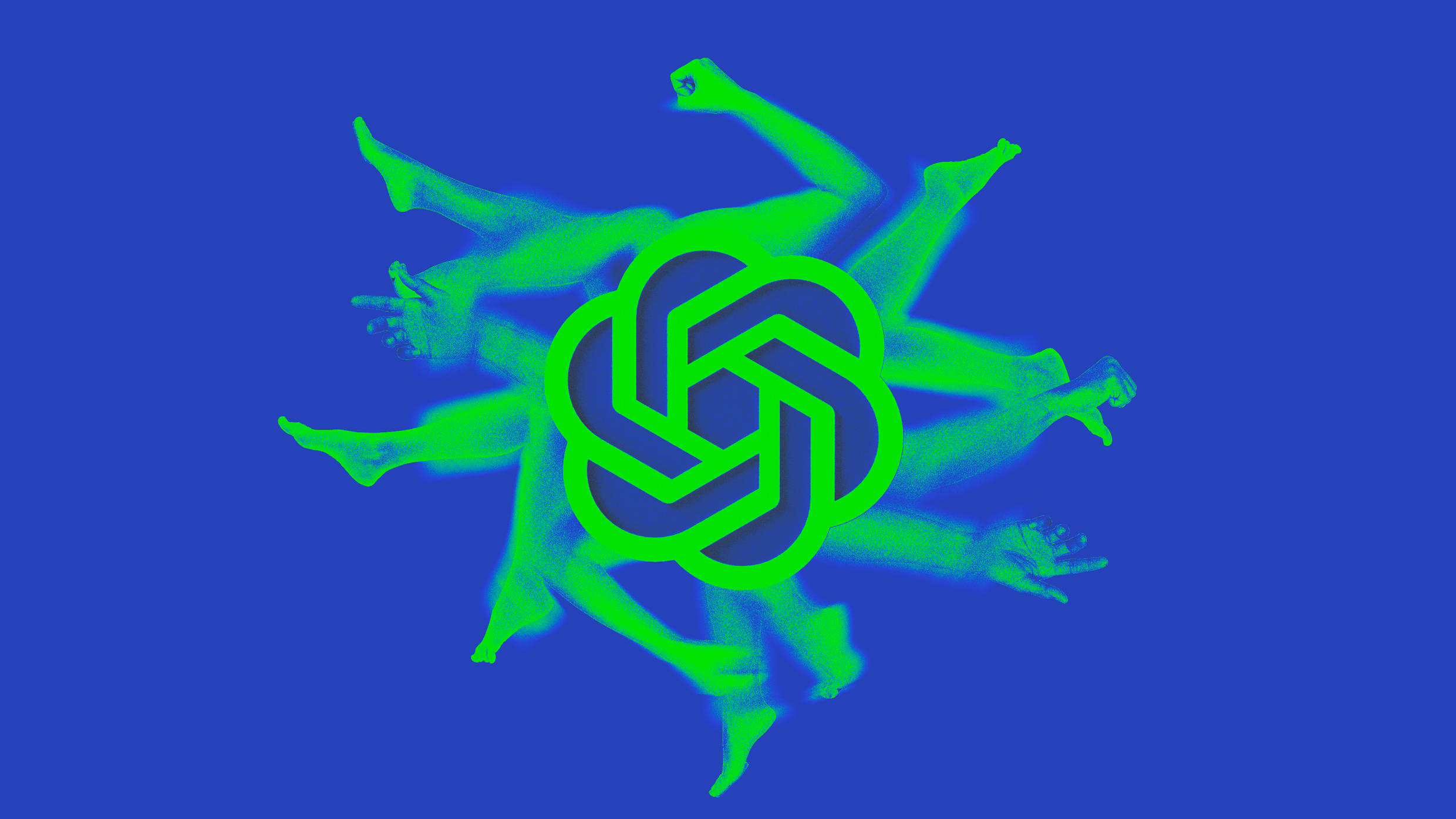
OpenAI’s Sora Turbo image generator has made waves on social media, showcasing impressive art. However, it struggles significantly with gymnastics visuals. This limitation highlights the broader difficulties in training AI to generate realistic video content. Sora’s issues stem from its inability to accurately understand physics, which is crucial for depicting dynamic movements like those in gymnastics. The model attempts to predict pixels based on previous frames, similar to how language models function. Yet, without a proper grasp of physical laws, it fails to create coherent representations of gymnasts.
Key Insights
- Sora’s gymnastics videos result in bizarre shapes and movements, indicating a lack of physics comprehension.
- The AI model relies on a transformer architecture, which complicates its understanding of complex scenes.
- Google’s new Gemini 2.0 models are being released cautiously, reflecting concerns about safety and misuse.
- Experts believe future AI advancements will require deeper breakthroughs, as the initial progress has plateaued.
The Bigger Picture
The limitations of AI models like Sora emphasize the ongoing challenges in AI development. As companies like Google and OpenAI navigate the complexities of creating reliable AI tools, the industry faces pressure to balance innovation with safety. The potential for job displacement due to AI advancements raises concerns about human purpose and identity in the workforce. Understanding these dynamics is crucial as society adapts to the evolving landscape of work and technology.