Overview of Gemini 2.0 Launch
Google has introduced its Gemini 2.0 model, enhancing its AI capabilities to create a more universal personal assistant. This update aims to offer users a more interactive and efficient experience, moving beyond traditional search functions. With features like “Deep Research,” Gemini can gather and summarize information from the web, transforming how users interact with Google.
Key Insights from a Former Conversation Designer
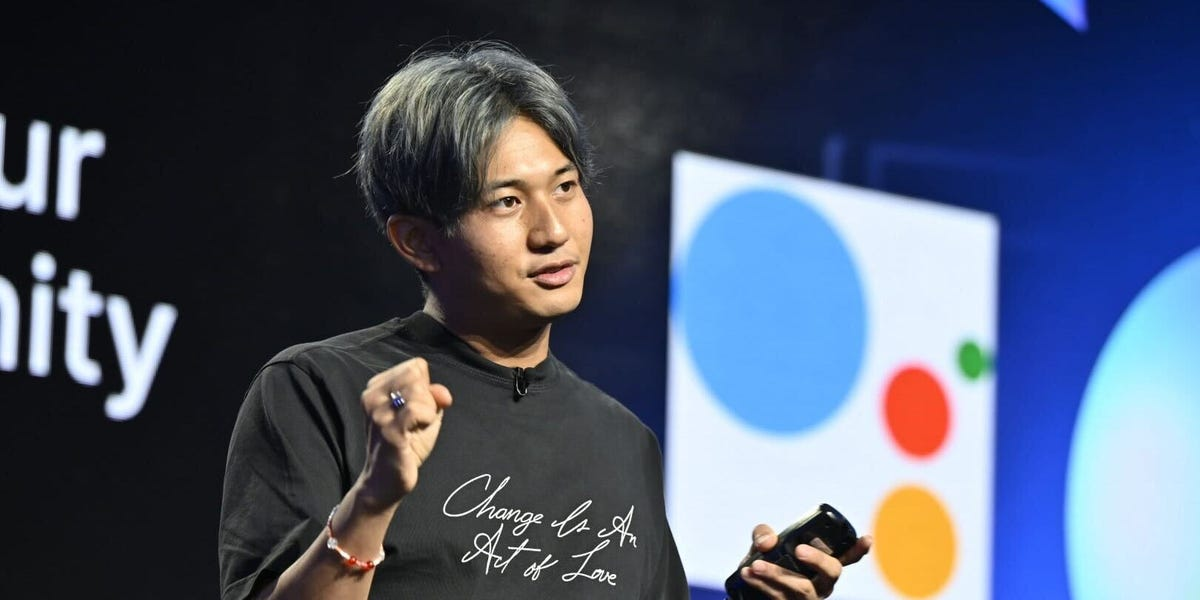
- Kento Morita, a former designer for Gemini, emphasizes the importance of tone in AI responses, especially on sensitive topics.
- The design process involves a checklist to determine if a question is sensitive, leading to cautious responses when necessary.
- Google faces challenges balancing its search engine’s success with the integration of AI, risking market self-cannibalization.
- Companies like Perplexity AI may have an advantage in focusing on a single product without conflicting interests.
Significance of Ethical AI Design
The evolution of AI assistants like Gemini reflects a growing need for ethical considerations in technology. As these systems become more human-like, the responsibility for their responses becomes critical. The challenge lies in ensuring that AI can provide useful information without causing harm or negative publicity. The future of AI will depend not just on functionality but on how well these systems can engage with users while maintaining trust and safety. As AI technology continues to advance, the focus will shift to the quality of interaction, highlighting the importance of human-centered design in achieving long-term success.